Who Is Responsible When a Visitor Gets Hurt at a Berks County Farm or Agricultural Event?
Berks County summers and falls bring families out to farm markets, pick-your-own fields, corn mazes, hayrides, and petting areas. These visits feel about as far from a legal problem as you can get, until a child falls from a wagon, a guest steps in a hidden hole, or a piece of equipment injures someone who came to enjoy the day.
When this happens, families are often surprised to learn that a special Pennsylvania law can limit a farm’s responsibility, and just as surprised to learn that the same law does not excuse a farm that was genuinely careless with the safety of the families it invited onto its property.
The Basics of Premises Liability in Pennsylvania
When a farm opens its property to paying visitors, those visitors are owed the highest level of care recognized by the law. A business that invites the public onto its land has a duty to inspect for hazards and either fix them or warn about them. This duty covers the parking area, walking paths, structures guests are invited into, and the farm’s activities. 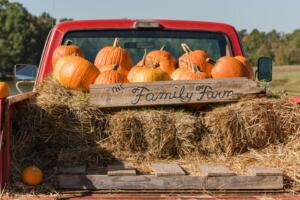
If a hazard was known to the operator or should have been found through reasonable inspection, and a visitor was injured by it, the operator can be held responsible. This is the same standard that applies to a store or a restaurant, and it does not disappear simply because the setting is a barn or a field in rural Berks County.
The more a farm charges admission and promotes itself as a destination, the more it is treated like any other business that profits from inviting the public in, with the responsibilities that come with it.
Pennsylvania’s Agritourism Law Changes the Picture
Pennsylvania’s agritourism law, enacted in 2021, limits a farm’s liability for injuries arising from the inherent risks of agritourism activities. Inherent risks are the ones that come with the activity itself, such as uneven ground in a field, the behavior of farm animals, or the natural conditions of the land.
As of 2026, the law generally protects a farm from claims arising from those inherent risks, but only when the operator has posted the warning signage required by the statute.
The protection has real limits. It does not cover injuries caused by the operator’s own negligence, by a failure to maintain equipment, or by a dangerous condition the farm created or failed to address. The presence of a warning sign does not authorize a Berks County operator to operate an unsafe attraction.
Common Hazards at Farm and Agricultural Events
The injuries that bring families to a lawyer after a farm visit tend to follow patterns:
- Falls from hayride wagons that lack proper rails
- Slips on wet or uneven surfaces around animal pens and washing stations
- Injuries on poorly maintained play structures and equipment
- Contact with machinery that should have been kept away from guests
Larger events with parking in open fields, temporary structures, and large crowds pose additional risks when an operator does not plan for the number of people they invite.
The question in each case is not whether the activity carried some risk, but whether the farm managed that risk as a careful operator would.
Inherent Risk or Operator Negligence?
Most Berks County farm injury cases come down to a single question. Was this an inherent risk of the activity, or was it the result of the operator cutting a corner? 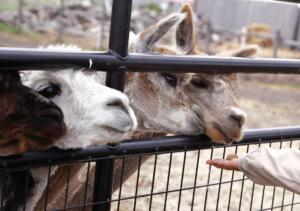
A guest who trips over the natural unevenness of a pumpkin field may be facing an inherent risk that the agritourism law protects against. However, a guest who falls because the operator left an unmarked drop-off along a walkway, overloaded a hayride wagon, or ignored a broken step is dealing with negligence the law does not excuse.
Drawing that line requires a close look at what the farm knew, what it did to prevent the hazard, and whether it followed the applicable signage and safety requirements. The difference decides whether a family has a claim.
When the Injured Visitor Is a Child
Farms and agricultural events market themselves to families, and children make up a large share of the guests at corn mazes, petting areas, and hayrides. This has legal significance, as a young child cannot be expected to recognize and avoid hazards as an adult can, and Pennsylvania does not hold young children to the same standard of caution.
An operator who invites children onto the property must account for how they behave, including their tendency to run, climb, and reach toward animals and equipment. A hazard that an adult might step around can be a serious danger to a 6-year-old.
When a child is hurt, the farm’s argument that the family should have been more careful carries far less weight than it would with an adult visitor, and the focus returns to whether the operator made the environment reasonably safe for the young guests it invited in.
What to Do After an Injury at a Berks County Farm
If you or your child is hurt at a farm or agricultural event, get medical attention first. Then, while details are fresh, photograph the hazard that caused the injury, the surrounding area, and any warning signs that were or were not posted.
Get the names and contact information of anyone who witnessed the incident, and report the injury to the operator to create a record. Keep your ticket, receipt, or any paperwork from the visit.
These cases are generally handled in the Berks County Court of Common Pleas, and the evidence that matters most, including the condition of the site and the signage, can change within days as the season moves on.
A day at a Berks County farm should end with cider and a hayride photo, not an emergency room visit caused by a preventable hazard. Munley Law has recovered results in premises liability cases across Pennsylvania and has represented injured people throughout Berks County and the Reading area. Contact our Reading premises liability attorneys today for a free consultation.

Marion Munley
Marion Munley has been practicing personal injury law for nearly 40 years. She is triple board-certified by the National Board of Trial Advocacy for Truck Accident Law, Civil Trial Law, and Civil Practice Advocacy. She currently serves as Vice President of the American Association for Justice, an organization dedicated to safeguarding victims’ rights. Marion has won many multimillion-dollar recoveries for her clients, including one of the largest trucking accident settlements in history. She has been named a Top 10 Super Lawyer in Pennsylvania since 2023, a Best Lawyer in America, and was recently inducted to the Lawdragon Hall of Fame.
 Call us at (844) 686-5397
 Posted in Premises Liability.