How to Spot Nursing Home Neglect in Berks County
A nursing home is meant to provide care and support for people who can no longer live safely on their own. We put our trust in these facilities to help with medications, meals, hygiene, mobility, and medical needs.
However, sometimes this trust is broken when a home fails to meet basic standards of care, whether through neglect, understaffing, or outright abuse, leaving Berks County residents vulnerable to preventable harm and distress.
Many Neglect Cases Start with Small Changes
Families are often the first people to notice that something is wrong.

A loved one who used to look forward to visits may seem quieter than usual or stop wanting to spend time with family. You may notice they’re wearing dirty clothes, haven’t been shaved or bathed, or their room isn’t being kept up the way it once was. When you ask questions about medications, a recent fall, or a doctor’s appointment, staff may not be able to give you a clear answer.
These changes do not automatically mean neglect is occurring. Nursing home residents commonly face medical conditions that can affect their health and behavior.
At the same time, families should not assume that every change in a loved one’s condition is a normal part of aging.
A preventable infection, dehydration, missed medication, or lack of supervision can cause a resident’s condition to worsen quickly. Once concerns persist over time, it may be worth taking a closer look at the care being provided.
Why Nursing Home Neglect Happens
Most neglect cases do not involve staff members intentionally harming residents.
Problems more often arise when facilities fail to provide sufficient care to meet residents’ needs.
Typical problems include:
- Too few staff members are available to assist residents
- Inadequate employee training
- Poor communication between caregivers
- Failure to follow care plans
- Delayed responses to medical concerns
- Lack of supervision for residents who need assistance
Many residents need assistance throughout the day with getting out of bed, eating, taking medications, bathing, or moving safely.
When these needs are not met consistently, residents can suffer avoidable injuries and health complications.
Not Every Decline in Health Is a Normal Part of Aging
One of the most difficult parts of identifying neglect is that many residents already have serious health conditions.
For example, dehydration can cause confusion and weakness, poor nutrition may bring about notable weight loss, and prescribed medications can worsen chronic health conditions. A resident who spends too much time in bed without assistance may also develop painful pressure injuries.
The key question is whether reasonable care could have prevented the decline, and whether it was not caused by the resident’s age or condition.
Falls Can Raise Important Questions About Care
Falls are common in nursing homes, but they are not always unavoidable.
Many residents are identified as fall risks upon entering a facility. Staff members may be instructed to provide walking assistance, monitor transfers, or use other safety measures designed to reduce the risk of injury.
When a resident suffers a serious fall, families may have questions, including:
- Was the resident properly supervised?
- Were care plans being followed?
- Did staff respond appropriately after previous falls?
- Were mobility needs being addressed?
A fall can signal bigger facility issues, especially if similar incidents have happened before.
Pressure Injuries Often Develop Over Time
Pressure injuries, sometimes called bedsores, rarely appear overnight. They typically develop gradually when a resident with limited mobility isn’t repositioned often enough or doesn’t receive sufficient assistance to relieve constant pressure on vulnerable areas of the body. Over time, this pressure can damage the skin and deeper tissue layers. 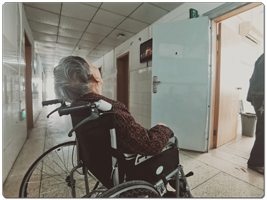
Once they progress, pressure injuries can become extremely painful and difficult to treat, and in more serious cases, may require hospital care, specialized wound treatment, or even surgery. Because of how slowly they can develop, families are often surprised to learn that significant bedsores may have formed while a loved one was already in a nursing facility.
When a resident develops advanced pressure injuries, it’s reasonable to ask whether proper preventative measures, such as regular repositioning, skin checks, and adequate care planning, were consistently followed.
Medication Problems Can Have Serious Consequences
Many nursing home residents take multiple medications every day.
A missed dose, incorrect medication, or failure to monitor side effects could result in major health problems.
Medication-related concerns may involve:
- Missed medications
- Incorrect dosages
- Medication mix-ups
- Failure to communicate changes in a resident’s condition
- Delayed medical treatment
In some situations, family members first learn about a medication issue after a loved one is hospitalized.
Hospital Visits May Reveal Signs of Neglect
A nursing home resident’s transfer to a hospital often creates an opportunity for outside medical providers to evaluate their condition.
In Berks County, residents may receive treatment at Reading Hospital or Penn State Health St. Joseph Medical Center after a fall, an infection, a pressure injury, or another medical emergency.
Hospital records sometimes provide important information about a resident’s condition and whether underlying issues may have gone unaddressed. For families trying to understand what happened, those records can help establish a timeline of events and identify concerns that deserve further investigation.
Communication Problems Can Be a Warning Sign
Good nursing home care depends on communication between staff, residents, family members, and healthcare providers.
Families aren’t always present when a resident receives medical treatment, experiences a fall, or develops a new health concern. As a result, they rely on the facility to provide accurate information about a loved one’s condition.
Problems can arise when family members receive inconsistent explanations about an injury, are not informed of significant changes in a resident’s health, or have difficulty obtaining answers to basic questions about a resident’s care plan.
Poor communication alone does not prove neglect. However, it can make it harder for families to determine whether a resident is receiving appropriate care and whether potential problems are being addressed promptly.
Documentation Can Help Families Identify Patterns
Families do not need to conduct their own investigation, but keeping records can be helpful when concerns develop.
Useful information may include:
- Photographs of injuries
- Notes from visits
- Names of staff members involved in incidents
- Medical records
- Hospital discharge paperwork
- Copies of complaints submitted to the facility
A single incident may not tell the full story. Patterns often become clearer when families review events over weeks or months.
Berks County Nursing Home Residents Have Rights Under the Law
Nursing home residents do not give up their rights when they enter a facility.
Under 42 C.F.R. §§ 483.24 and 483.25, nursing homes must provide the care and services residents need to maintain their health and well-being. Under 28 Pa. Code § 211.10, Pennsylvania rules also require nursing homes to establish care plans and policies to meet residents’ needs.
When a facility fails to meet those responsibilities, residents and their families may have legal options available.
Depending on the circumstances, a claim may involve compensation for:
- Medical expenses
- Hospital treatment
- Rehabilitation services
- Pain and suffering
- Long-term care needs
If neglect contributes to a resident’s death, additional claims may be available under Pennsylvania law.
Nursing Home Neglect Cases Often Require Looking at the Full Picture
Many neglect cases require reviewing months of records, including nursing notes, medical records, staffing information, incident reports, and hospital records.
The purpose is often to determine whether warning signs were missed, whether care plans were followed, and whether the resident received the level of care the facility was expected to provide.
In Berks County, these cases may involve records from nursing homes, local healthcare providers, emergency responders, and courts, including the Berks County Court of Common Pleas.
How Munley Law Helps Berks County Families Investigate Nursing Home Neglect
Munley Law has represented Pennsylvania families since 1959 in cases involving serious injuries and preventable harm. When concerns come up about the care a resident received, we review medical records, facility records, inspection reports, and other evidence to determine whether negligence played a role.
Nursing home residents are often among the most vulnerable members of our communities. When a facility fails to provide appropriate care, families deserve clear answers about what happened and whether the harm could have been prevented. If you have concerns about neglect, contact our nursing home abuse lawyers for a free consultation to discuss your case.

Marion Munley
Marion Munley is a passionate and highly experienced nursing home abuse lawyer. During her accomplished career, Marion has helped win millions of dollars for nursing home abuse victims, including an $850,000 case in which an elderly woman was injured in transportation from nursing home. In addition, Marion has been Triple Board Certified by the National Board of Trial Advocacy, named in the Top 10 Super Lawyers in Pennsylvania, and a Lawdragon 2026 Hall of Fame Inductee.
 Call us at (844) 686-5397
 Posted in Nursing Home Abuse.