Warning Signs of Nursing Home Neglect in Luzerne County
Families across the Wyoming Valley place their parents and grandparents in Luzerne County nursing homes, trusting that trained staff will keep them safe and treat them with dignity. When something does not feel right, the hard part is telling the difference between the ordinary changes of aging and the early signs of neglect.
Recognizing the signs of neglect early gives you the chance to step in before a small problem becomes a serious one. The good news is that once you know what to look for, the signs are usually easy to see, and Pennsylvania law gives families real tools to act on them.
Physical Signs That Deserve a Closer Look
Neglect is often evident on the body before anyone says a word about it. 
Pressure sores, also called bedsores, are one of the clearest red flags. They form when a resident is left in the same position for too long, and they tend to appear on the hips, heels, and lower back.
Unexplained bruises, repeated falls, sudden weight loss, dry, cracked lips, and other signs of dehydration, and infections that keep coming back all point to care that is falling short.
Medication mistakes are harder to see but just as dangerous, and they can leave a resident overly sedated or in pain that never gets treated.
Luzerne County facilities range from large skilled nursing centers around Wilkes-Barre and Kingston to smaller personal care homes in the surrounding boroughs, and the warning signs are the same, regardless of the facility’s size. If you see them, write down what you saw and the date you saw it before you do anything else, because memories blur and conditions like bruising fade within days.
How Changes in Mood and Behavior Can Signal Neglect
Not all neglect leaves a mark. A resident who was talkative a month ago may grow withdrawn, stop making eye contact, or flinch when a particular staff member enters the room. Some residents become agitated or fearful around certain shifts and calm again when family arrives. Others simply stop speaking up.
Emotional neglect and social isolation are real forms of harm, and they are easy to dismiss as moodiness or the confusion that can come with age. When the change is sudden or appears around a specific aide or time of day, treat it as information rather than a coincidence. Visiting at different hours, including evenings and weekends when staffing is usually thinnest, often tells you more than a scheduled afternoon visit.
During your visit, pay attention to how your loved one responds to those around them, not just how they answer your questions.
What the Facility Itself Can Tell You About Nursing Home Neglect
The condition of the building and its staff is part of the picture. Call lights that ring for long stretches, residents left sitting in wheelchairs in hallways, strong odors that never seem to clear, and a different face every week due to constant staff turnover all suggest a home stretched too thin to provide safe care.
Chronic understaffing is one of the most common roots of neglect in Luzerne County nursing homes. A facility that fails to keep enough trained aides on the floor cannot reliably turn residents, help them eat and drink, or answer calls for help, and the residents who suffer first are the ones who cannot advocate for themselves.
When you visit, notice how many staff you see, how quickly anyone responds to a call light, and whether residents look clean, hydrated, and engaged with the people around them. A home that looks short-staffed on a quiet Sunday is almost certainly short on staff during the busier parts of the week, too.
How to Report Concerns in Pennsylvania
If you believe a loved one is in immediate danger, call 911. For everything short of an emergency, Pennsylvania provides clear channels for families. 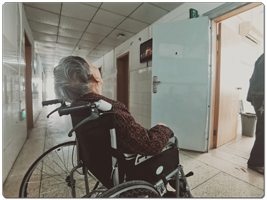
The Pennsylvania Department of Health licenses and inspects nursing homes and runs a complaint hotline at 1-800-254-5164 that anyone can call.
The Long-Term Care Ombudsman program, accessible through the Area Agency on Aging serving Luzerne County, advocates for residents and can investigate concerns directly.
For families who worry about retaliation against the person they love, you can file a complaint without the facility knowing who reported it. As of 2026, these reports trigger review and, where warranted, an on-site inspection.
Putting your concerns in writing to the facility’s administrator at the same time creates a record that the home was told about the problem and when, which can matter a great deal later if the neglect continues.
Protect Your Loved One and Preserve What You Have Seen
While the agencies do their part, there are steps you can take to protect your family member and any future claim.
Keep a dated log of what you observe and photograph visible injuries and conditions as they happen.
Request a copy of the care plan and the medical and incident records, which the facility is required to provide to a resident or an authorized family member.
Talk privately with your loved one, away from staff, so they can speak freely. If a resident can no longer make decisions and needs someone with legal authority to act on their behalf, guardianship is handled through the Orphans’ Court division of the Luzerne County Court of Common Pleas.
The earlier you document, the stronger your position if the neglect turns out to be part of a pattern that is affecting other residents in the same facility, which is often the case when understaffing is the underlying cause.
Spotting neglect early can protect your loved one and the other residents who live alongside them. Munley Law has stood up for injured and vulnerable people across Luzerne County and northeastern Pennsylvania for nearly 70 years. Contact our Wilkes-Barre nursing home abuse lawyers today to schedule a free consultation.

Marion Munley
Marion Munley is a passionate and highly experienced nursing home abuse lawyer. During her accomplished career, Marion has helped win millions of dollars for nursing home abuse victims, including an $850,000 case in which an elderly woman was injured in transportation from nursing home. In addition, Marion has been Triple Board Certified by the National Board of Trial Advocacy, named in the Top 10 Super Lawyers in Pennsylvania, and a Lawdragon 2026 Hall of Fame Inductee.
 Call us at (844) 686-5397
 Posted in Nursing Home Abuse.