Joint and orthopedic injuries are among the most common workplace injuries across all industries. From acute traumatic injuries to gradual wear and tear conditions, damage to knees, shoulders, wrists, and other joints can significantly limit your ability to work and perform daily activities. At Munley Law, our Pennsylvania workers’ compensation attorney understands the complex nature of joint injuries and fights to ensure injured workers receive the full benefits they deserve.
Have you suffered a joint or orthopedic injury at work? Contact Munley Law for a free consultation with an experienced Pennsylvania workers’ compensation lawyer.
Common Joint Injuries Caused in Pennsylvania Workplaces
 Joint injuries in the workplace vary in location, severity, and cause:
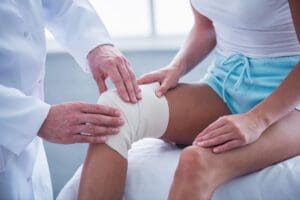
Knee injuries are particularly prevalent in occupations requiring frequent kneeling, climbing, or heavy lifting. The knee’s complex structure makes it vulnerable to various injuries, including meniscus tears, when the cushioning cartilage between the thigh and shin bones is damaged. These injuries often require surgical repair and extensive rehabilitation. Ligament injuries (ACL, MCL, PCL) typically result from twisting accidents, falls, or direct impacts and can completely destabilize the knee joint. Even after surgical reconstruction, workers often face permanent limitations that prevent return to physically demanding jobs.
Shoulder injuries frequently occur in jobs requiring overhead work, heavy lifting, or repetitive arm movements. Rotator cuff tears involve damage to the muscles and tendons that stabilize the shoulder joint and are common in construction, manufacturing, and healthcare work. These injuries cause significant pain, weakness, and limited range of motion. Labral tears affect the cartilage rim of the shoulder socket and often result from falls, direct impacts, or repetitive strain. Both conditions frequently require surgical intervention and prolonged rehabilitation.
Wrist and hand injuries affect workers in various industries, particularly those involving repetitive hand movements, tool usage, or typing. Carpal tunnel syndrome develops when the median nerve is compressed at the wrist, causing numbness, tingling, and weakness in the hand. Tendonitis involves inflammation of the tendons connecting muscles to bones and commonly affects the wrist, fingers, and thumb. These conditions may initially respond to conservative treatment, but often become chronic without significant workplace modifications.
Ankle injuries typically result from slips, trips, and falls in the workplace. Sprains involve stretching or tearing of ligaments and can range from mild to severe. Fractures of the ankle bones require immobilization and sometimes surgical repair with hardware placement. These injuries can be particularly disabling for workers requiring standing, walking, or climbing. Even after healing, workers often experience residual instability and arthritis development.
Hip injuries, though less common than other joint injuries, can be particularly devastating due to the hip’s central role in mobility and weight-bearing. Labral tears in the hip socket often result from repetitive twisting or pivoting movements. Fractures typically occur from falls or impacts and may require extensive surgical intervention. The prolonged recovery and potential permanent limitations from hip injuries can end careers in physically demanding occupations.
Workplace Risk Factors for Joint Injuries in PA
Certain workplace conditions and activities increase the risk of joint injuries:
Repetitive motions stress the same joints, tendons, and muscles. Assembly line work, typing, scanning items, and using vibrating tools repeat the same movements thousands of times daily. This repetition gradually damages tissues, leading to inflammation, pain, and eventual tissue breakdown. Even with proper technique, the cumulative trauma from years of repetitive work often results in joint deterioration.
Heavy lifting, especially improperly or without assistance, places enormous stress on knees, shoulders, back, and hips. Warehouse workers, delivery personnel, healthcare workers, and construction employees regularly exceed safe lifting thresholds, particularly when understaffing or time pressures limit access to proper lifting equipment or team lifting.
Awkward postures force joints into non-neutral positions that increase stress on supporting structures. Reaching overhead, kneeling, crouching, and twisting while handling loads all increase injury risk. Many workstations and job tasks aren’t ergonomically designed, forcing workers into these harmful positions for extended periods.
Falls are the leading cause of acute joint injuries in the workplace. Slippery surfaces, cluttered walkways, inadequate lighting, and improper footwear contribute to fall risk. Construction workers, maintenance personnel, and healthcare workers face particularly high fall risks due to their work environments.
Direct trauma from being struck by objects, caught between equipment, or involved in workplace vehicle accidents can cause immediate, severe joint damage. These traumatic injuries often involve complex fractures, multiple ligament tears, or joint dislocations that require extensive surgical intervention and rehabilitation.
Pennsylvania Workers’ Compensation Benefits for Joint Injuries
If you’ve suffered a work-related joint injury in Pennsylvania, you’re entitled to specific benefits:
Medical benefits should cover all reasonable and necessary treatment for your joint injury, including diagnostic imaging (X-rays, MRIs, CT scans), specialist consultations, physical therapy, medications, injections, braces or supportive devices, and surgical intervention when necessary. These benefits continue as long as treatment remains medically essential for your work-related condition.
Wage-loss benefits provide financial support when joint injuries prevent you from working. Given the physically limiting nature of many joint injuries, these benefits are crucial during recovery periods or when permanent restrictions avoid returning to previous employment. Benefits typically equal approximately two-thirds of your pre-injury average weekly wage, subject to state maximums.
Specific loss benefits may apply for permanent impairment or loss of use of an extremity. Pennsylvania workers’ compensation provides specific compensation rates for permanent loss of function in arms, hands, legs, feet, and individual fingers or toes. These benefits are available even if you return to work and are separate from wage-loss benefits.
Vocational rehabilitation services help you return to suitable employment if your joint injury prevents returning to your previous position. These services might include job retraining, education, or placement assistance appropriate to your physical capabilities and restrictions after injury.
Challenges in Joint Injury Workers’ Compensation Claims
Joint injury claims often face particular challenges in the workers’ compensation system:
- Pre-existing Condition Arguments: Insurance companies frequently attempt to attribute joint problems to age-related degeneration, prior injuries, or congenital conditions rather than workplace factors. They may argue that imaging findings like arthritis or joint degeneration would be present regardless of your work activities. Overcoming these arguments requires detailed medical evidence establishing that work activities caused a new injury or substantially aggravated a pre-existing condition.
- Establishing Causation for Gradual-Onset Conditions: Unlike acute injuries with a clear traumatic incident, many joint conditions develop gradually from repetitive stress or cumulative trauma. Proving these conditions are work-related requires establishing a clear connection between specific job duties and the development or worsening of the condition. This often necessitates expert medical testimony and detailed documentation of workplace activities.
- Return-to-Work and Permanent Restrictions: Joint injuries frequently result in permanent restrictions that limit lifting, reaching, kneeling, or standing – limitations that may prevent returning to previous employment, particularly in physically demanding jobs. Insurance companies often minimize these restrictions or pressure workers to accept positions that exceed their physical capabilities. Ensuring appropriate restrictions are recognized and respected requires skilled advocacy and often independent medical evaluation.
- Treatment Denials: Insurance companies frequently deny authorization for treatments like surgeries, specialized therapies, or ongoing pain management for joint injuries, arguing these interventions aren’t medically necessary or work-related. Overcoming these denials requires strong medical evidence and sometimes litigation to secure needed care.
How Munley Law Helps With Joint Injury Claims
The Pennsylvania workers’ compensation attorneys at Munley Law bring specific advantages to joint injury cases:
Understanding of orthopedic medicine and joint injury mechanisms allows us to effectively communicate with medical experts and challenge insurance company arguments about injury causation and severity. We work closely with orthopedic specialists, physical therapists, and occupational medicine physicians who understand workplace injuries.
Experience with cumulative trauma claims helps overcome insurance company attempts to attribute joint conditions to age or non-work factors. We effectively establish the causal relationship between your job duties and your joint condition, even when the injury developed gradually rather than from a single incident.
Knowledge of appropriate restrictions and accommodations ensures your return to work occurs only when medically appropriate and with proper limitations to prevent re-injury. We fight against premature return-to-work pressure and ensure your employer respects valid physical restrictions.
Comprehensive benefit calculation ensures you receive proper compensation for all aspects of your injury, including potential permanent impairment benefits when joint injuries result in lasting limitations. Many injured workers are unaware of their entitlement to these additional benefits beyond basic wage loss compensation.
Don’t let a joint injury limit your future. Contact Munley Law today for a free consultation with a Pennsylvania workers’ compensation lawyer who specializes in orthopedic injury claims and will fight for the full benefits you deserve.