




To prove a traumatic brain injury in New York, you must show not only that a serious injury occurred, but that it was caused by another party’s negligence.
A traumatic brain injury can derail your life, affecting your health, work, and relationships, and the recovery process is often long and emotionally draining. When someone else is responsible, New York law allows injured victims to seek compensation for the harm they’ve suffered.
An experienced Binghamton traumatic brain injury lawyer from Munley Law can help gather the right proof, present a compelling case, and fight for the full compensation you deserve.
What Is a Traumatic Brain Injury?
A traumatic brain injury occurs when an external force injures the brain. This can include incidents like: 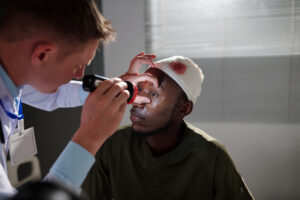
- Motor vehicle collisions
- Slip and fall accidents
- Workplace injuries
- Sports-related impacts
- Assaults and violent attacks
Even a seemingly mild TBI, such as a concussion, can have long-term consequences if not properly diagnosed and documented.
In New York, establishing that the TBI actually exists and was caused by another party’s negligence is critical in pursuing a successful injury claim.
Why is it So Important to Prove Your TBI?
Proving a traumatic brain injury in a personal injury claim isn’t only about showing you were injured. You also need to show that the injury resulted from someone else’s negligence. Insurance companies and courts won’t just take a person’s word for it; they require legal proof.
Your ability to provide compelling and admissible evidence can be the difference between a denied claim and a fair settlement or verdict.
 Call Us At 844-686-5397
 What Does Proving a Traumatic Brain Injury in New York Really Mean?
To prove traumatic brain injury in New York, you must satisfy two fundamental elements:
Causation: The Injury Was Caused by an Accident
You must show that:
- The accident occurred due to another party’s negligence or wrongdoing.
- The accident caused the TBI, not a pre-existing condition or unrelated event.
Injury: The Brain Injury Is Real and Medically Recognized
You must prove the existence and severity of the injury using objective medical evidence, including:
- Clinical evaluations
- Imaging tests
- Specialist reports
- Neuropsychological assessments
Without proper documentation, your injury claim will be weak or even dismissed.

“At Munley Law, our mission is simple: to provide all injury victims equal access to justice, even against the most powerful entities. For almost 70 years, we have been the voice for the injured, the forgotten, and those who need someone to stand beside them in their darkest hour.”
Marion Munley

What Types of Evidence Are Used to Prove a TBI in New York?
Traumatic brain injury claims must be well-supported. Here are the most critical types of evidence used to establish a TBI:
Medical Records
Medical records are the backbone of any TBI claim. Records should include:
- Hospital and ER reports
- Diagnostic test results (CT scans, MRIs, X-rays)
- Neurological evaluations
- Notes from follow-up visits
These records create a timeline showing how the injury was identified and treated.
Diagnostic Imaging
Brain injuries, especially severe ones, are often visible on imaging tests:
- CT Scans detect bleeding, swelling, and skull fractures
- MRI Scans identify structural and tissue damage
- Functional Imaging (when available) assesses activity levels in brain regions
Imaging evidence provides visual proof of your injury, which is highly persuasive in court and settlement negotiations.
Neuropsychological Testing
Not all TBIs show up on scans, especially mild to moderate injuries. That’s where neuropsychological tests matter.
These assessments measure cognitive functions such as:
- Memory
- Attention
- Problem-solving
- Language skills
- Emotional responses
Poor performance relative to baseline expectations can be crucial evidence of lingering TBI effects.
Specialist Testimony
Medical experts (such as neurologists or neuropsychologists) can explain:
- How the accident caused the injury
- What tests show about brain function
- What future care and limitations will the injured person face
Their testimony can make abstract medical concepts understandable for judges and juries.
Witness Statements
In many cases, eyewitness accounts help reinforce claims about:
- The severity of the crash or accident
- Immediate symptoms after the incident
- Behavioral changes observed after the injury
These statements can support your version of events and back up medical evidence.
Work and School Records
Traumatic brain injuries often affect a person’s ability to:
- Work
- Study
- Perform daily tasks
Employer records, performance evaluations, attendance reports, and academic transcripts can reveal declines in ability, supporting your TBI claim for lost wages and diminished earning capacity.
Common Challenges in Proving a TBI in New York
Providing legal proof of TBI isn’t always straightforward. Some common obstacles include:
Delayed Symptoms
TBIs don’t always show symptoms right away. A person may feel “fine” initially, only to worsen later. This delay can make it difficult to link the accident to the injury without prompt medical documentation.
Mild TBIs
Mild traumatic brain injuries (like concussions) may not appear on CT or MRI scans, requiring careful neuropsychological testing to prove.
Disputes with Insurance Companies
Insurers may downplay the severity of the injury or argue that symptoms are unrelated to the accident. This is where skilled legal representation becomes essential.
How a Binghamton Traumatic Brain Injury Lawyer Helps
Successfully compiling traumatic brain injury evidence requires medical expertise, attention to detail, and legal strategy. At Munley Law, our traumatic brain injury lawyers are experienced with complex TBI claims and can assist by:
Reviewing and Interpreting Medical Evidence
Your lawyer will work with medical professionals to:
- Analyze imaging and test results
- Translate medical terminology into clear legal evidence
- Identify gaps in your records
Coordinating Expert Opinions
Attorneys often bring in:
- Neurologists
- Neuropsychologists
- Life expectancy and vocational experts
These professionals can strengthen your case and clarify future medical needs and costs.
Building a Comprehensive Legal Argument
Proving a traumatic brain injury claim involves more than just medical evidence. Your legal team will also:
- Connect the injury directly to the accident
- Demonstrate how negligence caused the incident
- Quantify economic and non-economic damages
- Prepare strong legal filings and courtroom strategies
Dealing With Insurance Companies
Insurance adjusters may push for lowball settlements, delay settlements, or deny claims. An experienced lawyer:
- Negotiates assertively on your behalf
- Refutes improper denials with compelling evidence
- Takes the case to trial if necessary
Damages You Can Claim in a New York TBI Case
Once your injury is established, you may be entitled to various forms of compensation: 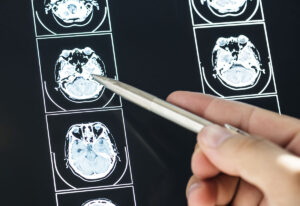
Economic Damages
These are tangible, measurable expenses such as:
- Medical bills
- Rehabilitation and therapy costs
- Future medical care
- Lost wages and lost earning capacity
- Assistive devices or home modifications
Non-Economic Damages
These are more subjective but just as vital:
- Pain and suffering
- Emotional distress
- Loss of enjoyment of life
- Cognitive or personality changes
New York allows compensation for both categories when properly proven.
Why Early and Thorough Documentation Matters
To effectively prove traumatic brain injury in New York, don’t delay medical care.
Seeking immediate attention:
- Establishes an official medical record
- Helps capture early symptoms
- Creates a stronger causal link between your accident and injury
Write down your symptoms daily and document how they affect your life. The more information you provide, the stronger your claim will be.
Steps to Take After a Suspected TBI
If you or somebody you care about experiences an accident and you suspect a traumatic brain injury, do the following:
- Seek emergency medical attention
- Tell doctors about every symptom
- Keep all medical records and test results
- Document how symptoms affect daily living
- Speak with an experienced New York brain injury lawyer
Taking these steps from the start increases your chances of proving brain injury in a personal injury claim.
Strong Evidence Makes a Big Difference
Proving a traumatic brain injury in New York is a meticulous process that requires:
- Comprehensive medical documentation
- Objective diagnostic evidence
- Expert testimony
- A clear legal strategy
Whether your injury is mild or severe, building a compelling case means focusing on strong, clinically supported evidence and connecting that evidence directly to the at-fault party.
If you’re facing the overwhelming aftermath of a brain injury, securing skilled legal representation can make all the difference in proving traumatic brain injury in New York and obtaining the compensation you need and deserve.
Contact Munley Law for Help Proving Your TBI Claim in New York
A dedicated Binghamton personal injury lawyer at Munley Law can guide you every step of the way in your traumatic brain injury case, from gathering essential traumatic brain injury evidence to negotiating with insurers and advocating in court.
We have nearly seven decades of experience in these complex cases and have won substantial compensation for those who have suffered TBIs, including a $26 million settlement for a driver who received a brain injury in a trucking accident, and $6.5 million for a man who suffered a brain injury after being hit by a garbage truck
Don’t deal with your TBI claim alone.
Contact us today to discuss your case and protect your rights.
Marion Munley
Marion Munley has been practicing personal injury law for nearly 40 years. She is triple board-certified by the National Board of Trial Advocacy for Truck Accident Law, Civil Trial Law, and Civil Practice Advocacy. She currently serves as Vice President of the American Association for Justice, an organization dedicated to safeguarding victims’ rights. Marion has won many multimillion-dollar recoveries for her clients, including one of the largest trucking accident settlements in history. She has been named a Top 10 Super Lawyer in Pennsylvania since 2023, a Best Lawyer in America, and was recently inducted to the Lawdragon Hall of Fame.