




While not every injury that happens on someone else’s property creates legal responsibility, Pennsylvania law does require property owners to maintain reasonably safe conditions for visitors. 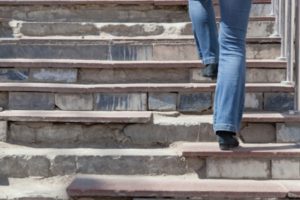
Understanding when a property owner may be legally responsible for injuries can help you determine whether you have grounds to pursue compensation. These situations are commonly evaluated under premises liability, but outcomes vary based on specific facts.
As Harrisburg personal injury lawyers, Munley Law regularly evaluates property injury cases to determine when a property owner may be liable for injuries. Our attorneys have over 250 years of combined experience, and we have won over $1 billion in personal injury claims to date.
What Has to Go Wrong for Property Owner Liability to Exist?
For a property owner to be liable for injuries in Harrisburg, certain conditions need to be present:
- A dangerous condition existed – The property had a hazard that posed an unreasonable risk, such as broken handrails, pooled water, uneven walkways, or other conditions that could have been repaired or clearly warned against.
- The condition was known or should have been discovered – The property owner either knew about the dangerous condition or should have found it through reasonable inspection and maintenance practices.
- Reasonable steps were not taken to fix or warn – The property owner failed to repair the hazard within a reasonable timeframe or didn’t provide adequate warning.
- The condition directly caused the injury – There must be a clear connection between the hazardous condition and the injury.
 Call Us At 844-686-5397
 Why Do Some Property Injuries Lead to Claims and Others Do Not?
The following situations may lead to the insurance company denying your premises liability claim:
Open and obvious hazards: If a danger is clearly visible and a reasonable person would notice and avoid it, property owners are generally not responsible.
Short-lived conditions with no notice: When a customer drops a drink, and you immediately slip on it, the property owner likely isn’t responsible. Owners aren’t expected to know about dangers before they could reasonably discover them.
Situations where the owner had no reasonable opportunity to act: If a sudden weather event creates a hazard and someone is injured before the owner could address it, establishing property owner negligence becomes difficult.

“Munley Law is far more than just a law firm. We’re a family of attorneys who truly understand the meaning of family and bring deep compassion to every client we serve.”
J. Christopher Munley

Why are Slip and Fall Accidents the Most Common Property Injury Claims?
Slip and fall accidents are the most frequent type of premises liability injury in Harrisburg and throughout Pennsylvania. According to the Centers for Disease Control and Prevention, more than 1 million older Americans require hospitalization annually due to fall injuries.
These incidents frequently occur in everyday settings. Retail and grocery stores account for a significant number of slip and fall accidents, often due to spills or poorly maintained floors. Parking lots pose risks from uneven pavement and inadequate lighting, while cracked or unmaintained sidewalks can quickly become hazardous. Apartment buildings are another common location, with falls occurring on stairways, in shared common areas, and along exterior walkways.
These slip and fall cases are a specific type of premises liability claim; they involve the same principles of property owner responsibility applied to falling incidents.
When Can Lack of Security Make a Property Owner Liable?
Random or completely unpredictable criminal acts generally do not make a property owner responsible. But when prior incidents have occurred, or the property is located in a high-crime area, owners are expected to take reasonable precautions to protect visitors and residents.
Parking garages with histories of break-ins can create potential liability when owners fail to implement reasonable security measures. Apartment complexes that experience repeated criminal activity may be held responsible if they fail to improve lighting, install security cameras, or take other preventive measures, and residents are harmed.
Hotels, restaurants, and event venues face similar concerns, as poor lighting, broken locks, and a lack of monitoring can increase the risk of injuries from criminal acts.
Who Is Most Often Protected by Property Injury Laws?
Pennsylvania premises liability law protects different groups based on their relationship to the property. 
Customers in stores, restaurants, and businesses receive the highest level of protection—property owners must regularly inspect premises and fix or warn about dangerous conditions.
Tenants also receive substantial protection. Landlords must maintain common areas and ensure rental units meet basic safety standards as outlined in the Harrisburg Property Maintenance Code.
Businesses and public-facing properties face higher expectations because they invite the public onto their premises. The City of Harrisburg Health and Codes services enforce building and safety standards that establish minimum requirements for property maintenance. Trespass situations are evaluated differently, with property owners owing limited duties to those on their property without permission.
What Happens When Injuries Happen on Government Property in Harrisburg?
Some Harrisburg properties are owned by the city, state, or federal government, and claims involving injuries on government-owned property are subject to different rules.
Pennsylvania law often requires notice to government entities within six months rather than the standard two years. Liability standards may also differ.
Early evaluation is essential in these cases because missing shorter notice deadlines can eliminate your right to pursue compensation.
How Long Do You Have to Take Action After a Property Injury in Harrisburg?
Pennsylvania law establishes a two-year statute of limitations for personal injury claims, including those based on property owner negligence. According to 42 Pa. Cons. Stat. § 5524, you generally have two years from the date of your injury to file a lawsuit.
This matters because evidence deteriorates over time. Surveillance footage gets deleted, witnesses’ memories fade, and property conditions change as property owners may complete repairs that eliminate visible proof of the hazard.
Seeking legal guidance early on helps ensure you don’t miss critical deadlines or lose valuable evidence.
How Harrisburg Property Injury Liability Cases Are Evaluated
Property injury cases in Harrisburg undergo thorough evaluation to determine whether the property owner’s conduct meets the legal standard for liability.
- Incident reports document what happened.
- Photographs of the scene and injuries create visual records for negotiations or trial.
- Maintenance records reveal whether property owners were aware of dangerous conditions.
Insurance companies scrutinize property injury claims carefully. They investigate circumstances, interview witnesses, and assess whether their policyholder breached any legal duty. At Munley Law, our experienced Harrisburg personal injury attorneys evaluate these factors to determine whether a property injury meets the legal standard for liability.
Do You Have a Property Liability Claim?
Whether a property owner is liable for injuries in Harrisburg depends on specific facts. But when property owners fail to maintain safe conditions or address known dangers, Pennsylvania law allows victims to seek compensation for avoidable injuries.
If you or a loved one has been injured on someone else’s property, our Harrisburg personal injury attorneys have extensive experience in slip and fall cases in Dauphin County. Contact us today for a free consultation.
J. Christopher Munley
James Christopher Munley is an award-winning plaintiffs’ lawyer who has dedicated his career to fighting for accident victims and their families. As a board-certified civil trial advocate, Chris was named Lawyer of the Year by Best Lawyers for Workers’ Compensation by Best Lawyers, and has been listed on Pennsylvania Super Lawyers since 2013.