



A serious workplace injury can change every part of your life. When your injuries leave lasting physical limitations, chronic pain, or an inability to return to your previous job, you may be dealing with a permanent disability under Pennsylvania workers’ compensation law.
At Munley Law, our workers’ compensation attorneys help injured Pennsylvania workers secure the wage-loss benefits, medical treatment, and long-term financial support they deserve. If your employer or its insurance company is questioning the extent of your disability, attempting to reduce your benefits, or pressuring you back to work too soon, we can protect your rights at every stage of the process. Contact us today for a free consultation.
Contact a Workers’ Compensation Attorney at Munley Law
 Call Us At 844-686-5397
 What Is a Permanent Disability in Pennsylvania Workers’ Compensation?
Under Pennsylvania workers’ compensation law, a permanent disability generally means that a work-related injury or occupational illness has caused lasting impairment that affects your ability to work or function normally. 
Unlike some states, Pennsylvania does not technically divide benefits into “permanent partial disability” and “permanent total disability.” Instead, the law focuses on disability status and earning power. An injured worker may continue receiving benefits if they remain unable to return to gainful employment because of their work injury.
Permanent disabilities may result from:
- Spinal cord injuries
- Traumatic brain injuries
- Severe back and neck injuries
- Loss of limb or amputation
- Crush injuries
- Severe burns
- Occupational lung diseases
- Repetitive stress injuries
- Permanent nerve damage
- Chronic pain conditions
Some injured workers can never return to work at all. Others may be able to work only in a reduced capacity or at significantly lower wages.
Total Disability vs. Partial Disability Benefits
Pennsylvania workers’ compensation law recognizes both total disability and partial disability benefits.
Total Disability Benefits
If your work injury prevents you from performing any meaningful employment, you may qualify for total disability benefits. These benefits generally equal about two-thirds of your average weekly wage, subject to state maximums.
There is no automatic time limit on total disability benefits if you remain unable to work due to your injury.
Partial Disability Benefits
If you can return to some type of employment but earn less because of your injury, you may qualify for partial disability benefits. These benefits help make up the difference between your pre-injury wages and your reduced earning capacity. Under Pennsylvania law, partial disability benefits are generally limited to 500 weeks.
Impairment Rating Evaluations (IREs)
One of the most important issues in Pennsylvania permanent disability claims is the Impairment Rating Evaluation, commonly called an IRE.
After an injured worker receives 104 weeks of total disability benefits, the employer or insurance company may request an IRE to determine the worker’s level of whole-body impairment.
The evaluation must follow the American Medical Association’s Guides to the Evaluation of Permanent Impairment, Sixth Edition.
If the worker receives an impairment rating below 35%, the insurance company may attempt to change the worker’s status from total disability to partial disability.
Insurance companies frequently use IREs as a strategy to limit long-term exposure. Many injured workers are surprised to learn that a low impairment rating does not necessarily mean they are capable of returning to work safely.
Can You Challenge an IRE?
Yes. An IRE is not always the final word in your case.
There are many reasons an impairment rating may be inaccurate or unfair, including:
- The physician minimized your symptoms
- The insurance company selected a biased evaluator
- Your condition worsened after the evaluation
- The evaluator improperly applied AMA guidelines
- Your injury affects your ability to work more than the rating reflects
An experienced Pennsylvania workers’ compensation lawyer can review the evaluation, obtain additional medical evidence, cross-examine medical experts, and challenge attempts to reduce your benefits.
Common Permanent Disabilities in Workers’ Compensation Cases
Some workplace injuries can have lifelong consequences, making it important to understand the types of permanent disabilities that most commonly arise in workers’ compensation claims.
These are the most common permanent disabilities:
Back and Spinal Injuries
Severe back and spinal cord injuries can permanently limit mobility, lifting ability, and stamina. Herniated discs, spinal fractures, paralysis, and nerve compression injuries are among the most common causes of long-term disability claims.
Traumatic Brain Injuries
Brain injuries may affect memory, concentration, emotional regulation, speech, and motor function. Even so-called “mild” traumatic brain injuries can have permanent consequences that interfere with employment.
Loss of Limb or Amputation
Amputations often require lifelong medical care, prosthetics, rehabilitation, and vocational adjustments. These claims typically involve substantial future damages and long-term wage loss concerns.
Occupational Diseases
Workers exposed to toxic substances may develop permanent illnesses such as respiratory disease, cancer, or neurological conditions. These claims can become highly complex because employers and insurers often dispute causation.
Returning to Work After a Permanent Injury
Many injured workers feel pressured to return to work before they are medically ready. Insurance companies may attempt to reduce or suspend benefits by claiming suitable employment exists. 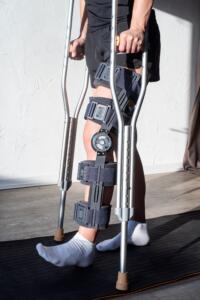
Before accepting modified duty or a new position, it is important to understand:
- Whether the work exceeds your medical restrictions
- Whether your wages are substantially reduced
- Whether accepting the position could affect future benefits
- Whether the employer is acting in good faith
A workers’ compensation attorney can evaluate job offers and help ensure your rights are protected.
Settlements in Permanent Disability Claims
Many Pennsylvania workers’ compensation cases eventually resolve through a lump-sum settlement, often called a Compromise and Release Agreement.
A settlement may include compensation for:
- Future wage-loss exposure
- Outstanding disability benefits
- Anticipated medical expenses
- Future surgeries or treatment
- Permanent impairment
- Vocational limitations
However, accepting a settlement usually means giving up your right to pursue additional benefits later. Insurance companies often attempt to settle serious claims for less than they are truly worth.
Before signing any agreement, it is essential to have an experienced workers’ compensation attorney review the offer carefully.
How Munley Law Helps Injured Pennsylvania Workers
The workers’ compensation system is supposed to protect injured workers. Unfortunately, insurance companies often focus on minimizing payouts rather than helping people recover.
At Munley Law, our attorneys understand the financial and emotional stress that comes with a permanent disability. We fight to secure the maximum benefits available under Pennsylvania law while treating every client with compassion and respect.
Our firm offers:
- Nearly seven decades of experience handling Pennsylvania workers’ compensation claims
- A track record of major settlements and verdicts
- Access to respected medical and vocational experts
- Representation in complex catastrophic injury claims
- Assistance with denied claims and appeals
- No fee unless we win your case
We know the tactics insurance companies use to challenge permanent disability claims, and we know how to fight back.
Frequently Asked Questions About Permanent Disability Workers’ Compensation Claims
How Long Can I Receive Workers’ Compensation Benefits in Pennsylvania?
If you remain totally disabled, your workers’ compensation benefits may continue indefinitely. However, workers classified as partially disabled are generally limited to 500 weeks of benefits.
What Happens After 104 Weeks of Total Disability?
After 104 weeks of total disability, your employer or its insurer may request an Impairment Rating Evaluation (IRE) to determine your level of whole-body impairment.
Does an IRE Reduce My Weekly Checks?
Not immediately. An impairment rating below 35% may change your disability status from total to partial, but your weekly payment amount may initially remain the same.
Can I Receive Workers’ Compensation and Social Security Disability At The Same Time?
In many cases, yes, you can receive workers’ compensation and Social Security Disability at the same time. However, your benefits may be coordinated or offset depending on the circumstances of your claim.
What if My Employer Says I Can Return To Work?
You should not return to work beyond your medical restrictions. If your employer claims suitable work is available, consult a workers’ compensation lawyer before accepting or refusing the position.
Can I Choose My Own Doctor?
Pennsylvania law has rules regarding approved medical providers during the early stages of treatment. For the first 90 days of medical treatment for a work-related injury, you must see a provider from a list of doctors provided by your employer. After the first 90 days of treatment, you may receive treatment from any doctor of your choosing.
What if My Benefits Are Denied?
If your workers’ compensation benefits are denied, you have the right to file a claim petition and seek a hearing before a workers’ compensation judge. Many valid claims are initially denied and later approved with proper legal representation.
Contact a Pennsylvania Workers’ Compensation Lawyer at Munley Law
A permanent workplace injury can affect your health, career, income, and future security. You should not have to face the workers’ compensation system alone while dealing with medical treatment and financial uncertainty.
At Munley Law, our attorneys are ready to help you pursue the full benefits available under Pennsylvania law. We can explain your rights, challenge unfair insurance tactics, and fight for the long-term support you need after a life-changing injury.
Contact us today for a free consultation. There’s no fee for our services unless we win your case.

Robert W. Munley, III
Robert W. Munley, III is a highly regarded and respected workers’ compensation lawyer. Bob has earned numerous accolades during his career fighting for injured workers, including being named to Best Lawyers in America in 2013 and appointed to the 2026 Lawdragon 500 Leading Lawyers in America guide. Bob is also known for being outspoken in helping attorneys fight for workers rights nationwide, taking part in speaking arrangements such as the Pennsylvania Workers Compensation Symposium and the Pennsylvania Workers Compensation Information Distribution Seminar.