How Does Home Security and Doorbell Camera Footage Impact Pennsylvania Slip and Fall Claims?
You slip on an icy walkway outside someone’s home and suffer a serious injury. Nobody witnessed the accident, but a neighbor’s doorbell camera may have recorded what happened. Its footage could help establish how long the ice had been there or whether the homeowner knew about the danger.
Home security and doorbell cameras can provide valuable slip and fall video evidence in Pennsylvania claims. What they capture, and whether the recordings are preserved, could help determine who was responsible for your injury.
Security Camera Footage Can Help Prove What Caused a Fall
Security cameras and doorcams have become a common feature in homes across America. About 61% of US households now have at least one security camera, and 48% have a video doorbell. With so many homes using this technology, there’s a greater chance that a fall on someone’s property could be caught on camera.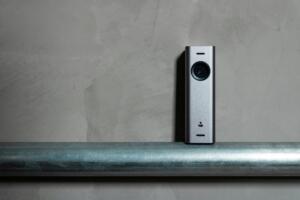
Even when a camera doesn’t capture the actual fall, it can still provide important evidence. It might show a damaged porch step or uneven paving that someone later trips over. The footage could also show that the homeowner was aware of the hazard before the accident and did nothing about it.
However, slip and fall video evidence has limitations. Doorbell cameras may only record when motion is detected, and their viewing angles can leave important details out of the picture.
What Does Pennsylvania Law Require You to Prove?
Under Pennsylvania law, a homeowner’s responsibility for a slip and fall accident depends partly on why the injured person was visiting. Homeowners generally have to warn social guests about dangerous conditions they know about when those guests are unlikely to recognize the danger themselves. In some circumstances, they may also have a duty to look for hazards before someone gets hurt.
Slip and fall video evidence can help establish whether the homeowner knew about a dangerous condition before the accident. It may also show whether the hazard was obvious enough for a visitor to have noticed and avoided it. These details can affect whether the homeowner is held responsible for the injury.
Pennsylvania also has specific rules for slip and fall accidents involving snow and ice. Under the hills and ridges doctrine, homeowners are generally protected from liability for naturally slippery conditions during widespread winter weather unless dangerous accumulations have been allowed to develop.
Doorbell footage might show how ice built up on a walkway, although weather conditions in the surrounding area also matter.
However, video footage can also work against your claim. Pennsylvania’s modified comparative negligence rule means your compensation can be reduced according to your share of fault. If you’re found more than 50% responsible, you generally cannot recover damages.
For example, footage showing you ignoring an obvious hazard could influence how much responsibility you’re assigned for the fall.
How Can You Obtain Home Security or Doorbell Camera Footage?
The footage might come from the homeowner’s camera, a neighbor’s doorbell, or a landlord’s security system covering a shared entrance. Depending on who owns the camera, your attorney may need to approach someone who wasn’t directly involved in the accident.
You can ask the camera owner to save the recording, but they aren’t automatically required to give you a copy. If they’re unwilling to share it, your attorney may be able to obtain the footage through legal procedures such as a subpoena or discovery during a lawsuit.
Getting hold of the recording is only part of the process. If the footage is used in court, Pennsylvania Rule of Evidence 901 generally requires evidence showing that it’s genuine. This could be as straightforward as the camera owner confirming where the recording came from and how it was captured.
Obtaining the original file can also help your attorney establish the reliability of slip and fall video evidence.
Why Preserving Camera Footage Is So Important
Home security and doorbell cameras may automatically delete older recordings, depending on the system and its settings. This means potentially important footage could disappear before anyone has a chance to examine it.
The consequences of losing video evidence became clear in the 2019 Pennsylvania Superior Court case Marshall v. Brown’s IA, LLC. A supermarket failed to preserve surveillance footage requested after a customer’s fall. The court found that the missing footage could have helped establish how long the hazard existed and ruled that the jury should have been allowed to draw an unfavorable inference from its loss. 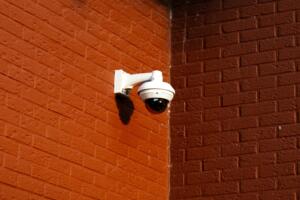
This type of evidence loss is known as spoliation. If someone destroys or fails to preserve evidence they knew, or should have known, would be needed in a lawsuit, it could affect how the court handles the case.
However, the circumstances make a difference. A neighbor whose doorbell footage was automatically deleted before they knew about a potential claim is in a different position from someone who deliberately destroys relevant evidence after receiving a preservation request.
An attorney can help identify recordings that need to be saved and ask the camera owner to preserve them before they’re lost.
What Should You Do If a Camera Recorded Your Fall?
After a slip and fall accident, check whether any nearby home security or doorbell cameras may have captured what happened. Make a note of where the cameras are so your attorney can follow up.
Photograph the hazard before conditions change, if you can do so safely, and seek medical attention for your injuries. If you’ve already obtained footage, keep the original file without editing it.
Tell your lawyer about any possible recordings as soon as you can. Munley Law can help you obtain and preserve slip and fall video evidence that may support your injury claim. Contact our slip and fall lawyers for a free consultation to discuss your options.
Posted in Munley News.