Who Owns Your Vehicle’s Crash Data After an Auto Accident?
Your car may know more about an accident than you realize. Most vehicles record information about speed, braking, and other activity in the seconds before and after a collision. This information can help establish what happened, particularly when drivers disagree about who was responsible. But who actually owns your vehicle crash data?
Under federal law, the information stored by your car’s event data recorder generally belongs to the vehicle’s owner or lessee. However, ownership doesn’t necessarily give you complete control over who can access it.
What Does Your Car’s Black Box Record?
Your vehicle’s event data recorder (EDR), or black box, stores technical information that can help investigators understand what happened in a collision. 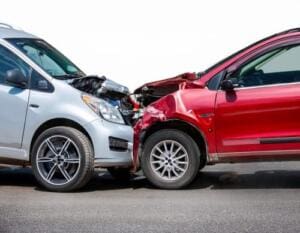
According to the National Highway Traffic Safety Administration, the information recorded usually includes:
- Vehicle speed and whether the driver applied the brakes
- Accelerator use and changes in speed during impact
- Whether occupants were wearing seat belts
- Airbag deployment and other crash-related information
EDRs capture a few seconds of information around a crash rather than recording everything that happens during a trip. They’re also different from dashcams, which record video footage.
Your vehicle may collect other information through connected-car services, too. A connected car uses an internet or wireless connection to communicate with outside systems, such as the manufacturer’s services.
Unlike an EDR, which captures specific crash-related information, connected-car technology may also collect and share details about your location, driving habits, and vehicle use.
Federal Law Protects Your Ownership of Crash Data
Under the Driver Privacy Act of 2015, you have ownership rights over the vehicle crash data stored by your car’s EDR if you own the car. This usually applies even if you’re still paying off a car loan. If you lease the vehicle, you own the data as the lessee.
The situation changes when you’re driving a car that belongs to someone else. If you’ve borrowed a friend’s vehicle or are driving a company car, the data belongs to whoever owns or leases it. Rental vehicles can be more complicated, depending on the rental agreement and applicable law.
These federal protections apply nationwide, although some states have additional rules governing access to crash data. Federal law also allows others to access the data under certain circumstances, even without your permission.
Connected-car information is a little different. The Driver Privacy Act’s ownership protections specifically cover EDR data, while information collected through connected-car services may be subject to different privacy laws and agreements. The way manufacturers collect and share this information has also come under scrutiny.
In January 2026, the Federal Trade Commission finalized an order against General Motors and OnStar following allegations that they collected and sold drivers’ location and driving behavior data without properly informing them or obtaining their consent.
Who Can Access Your Crash Data After an Accident?
If your car’s black box contains information about a collision, several parties might want to examine it. Whether they’re legally entitled to do so is another question. 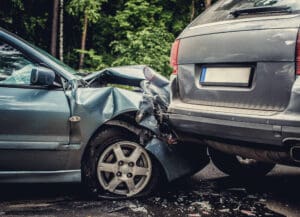
Police investigating an accident may seek an order from the court or another authority with the power to authorize access. The circumstances of the investigation and applicable laws determine whether they can retrieve the information.
Insurance companies may also request vehicle crash data, particularly if there’s a disagreement about speed, braking, or who caused the collision. However, your insurer doesn’t automatically have the right to download information from your EDR simply because it’s handling your claim.
Your consent can change the situation. Under the Driver Privacy Act, you can authorize someone to retrieve the data in writing, electronically, or through recorded audio. Certain subscription agreements may also include permission to access EDR information, so it’s worth knowing what you’ve agreed to.
There are other limited exceptions. Federal law allows access in certain circumstances involving vehicle safety investigations, emergency medical care, and traffic safety research. Some of these exceptions require that information identifying the owner or driver be kept private.
What Should You Do to Protect Crash Data After an Accident?
If you’ve been involved in an accident, preserving your vehicle crash data could be important, especially if there’s a disagreement about what happened.
Some EDR data can be overwritten by subsequent events, depending on the vehicle. Repairs or disposal could also make the data harder to retrieve. If your insurer declares the car a total loss, the car may be transferred to a salvage yard or sold before the information has been recovered.
- Tell your car accident attorney where your vehicle is being stored and whether repairs, disposal, or a transfer are planned.
- Keep photographs, accident reports, and other records that may help establish what happened.
- You should also speak with your lawyer before agreeing to a request to download your vehicle’s data, particularly if you’re unsure who wants it or how it will be used.
Your attorney can assess whether the crash data could be useful and arrange for a qualified specialist to retrieve it. If another vehicle involved in the accident may hold important evidence, your lawyer can also take steps to request that the information be preserved before it’s lost.
Munley Law can help you understand your rights over your vehicle’s crash data and take steps to protect important evidence after an accident. Contact us for a free consultation to discuss your options.
Posted in Car Accidents.