




Head-on collisions occur when the front ends of two vehicles strike each other while traveling in opposite directions. Because the momentum of both vehicles combines at the moment of impact, these crashes are among the most dangerous on the road. In the Easton area, particularly along high-speed corridors like I-78 and PA-33, head-on crashes often result in multiple severe injuries.
While victims may suffer orthopedic, internal, and psychological harm, the spinal and head trauma from head-on car accidents is frequently the most life-altering. Understanding how and why these injuries occur, and the long-term consequences for those involved, helps identify what to look for in head-on collisions.
In the aftermath of such a serious collision, turn to the trusted Easton car accident attorneys at Munley Law for information about your legal options related to these crashes.
Why Can Head-On Collisions Cause Catastrophic Injuries?
Head-on crashes are destructive due to the forces that act on the human body at impact. Several mechanical factors combine to increase injury severity:
- Opposing force. In a head-on collision, both vehicles are moving toward each other. The force of impact is effectively doubled compared to a single vehicle hitting a stationary object. This extreme force is transmitted directly to the occupants’ heads, necks, and torsos.
- Sudden deceleration. Occupants experience an abrupt stop from highway speeds to zero in a fraction of a second. The body stops when restrained by a seatbelt or airbag. Still, internal organs, the brain, and the spinal cord continue moving briefly, increasing the risk of head trauma from car accident scenarios.
- Vehicle intrusion. Front-end crumple zones absorb energy, but in severe crashes, the engine compartment and footwell can intrude into the passenger space. This intrusion places the head, chest, and lower body at risk of crushing and blunt-force injuries.
- Rotational movement of the head and spine. As the vehicle decelerates unevenly, the head may twist or snap forward and to the side. This rotational acceleration is a major cause of brain and cervical spine injury in head-on crashes.
These factors explain why car accident head injuries and spinal damage are so prevalent in front-to-front impacts.
 Call Us At 844-686-5397
 Common Head Injuries From Head-On Car Accidents
Brain injuries are among the most common and disputed outcomes of head-on collisions. Even when there is no visible wound, head trauma from a car accident can cause the brain to sustain significant damage due to rapid acceleration and deceleration.
Concussions and Mild Traumatic Brain Injury
A concussion is a form of mild traumatic brain injury (TBI) caused when the brain moves violently inside the skull. In a car crash head injury can happen when the head strikes an airbag, steering wheel, or window, or even without direct impact.
Symptoms may include headaches, dizziness, confusion, memory problems, and sensitivity to light or noise. Importantly, these symptoms often do not appear immediately, sometimes emerging hours or days after the crash. This delayed onset makes documentation critical in head-on collision cases.
Moderate to Severe Traumatic Brain Injury
More forceful impacts can cause moderate to severe TBI. These car accident head injuries may involve prolonged loss of consciousness, significant cognitive impairment, and lasting changes in personality or behavior. Victims may struggle with attention, problem-solving, or emotional regulation, affecting their ability to work or live independently.
In head-on crashes, the combined forward motion and sudden stop increase the likelihood of this level of brain trauma.
Diffuse Axonal Injury
Diffuse axonal injury (DAI) occurs when rotational forces stretch and damage nerve fibers throughout the brain. Head-on collisions frequently involve this twisting motion of the head and neck. DAI can result in widespread neurological deficits and is a leading cause of long-term disability following a head trauma car accident.
Skull Fractures
Skull fractures may occur when the head strikes interior vehicle structures or when intrusion collapses the front of the cabin. These fractures can increase the risk of bleeding or infection and often accompany underlying brain injury.
Additional medical evaluation often includes neurological exams, imaging studies such as CT scans or MRIs, and ongoing follow-up to monitor changes over time.
Even though car collisions are one of the top causes of TBIs, insurance companies will often dispute these injuries since the symptoms of TBIs can manifest at varying times following a head-on collision.
Because symptoms can evolve, consistent treatment records help connect the injury to the crash and demonstrate the full scope of physical, cognitive, and emotional effects that may interfere with daily activities and long-term independence. Your accident attorney will advocate for you with clear documentation of symptom onset.

“At Munley Law, our mission is simple: to provide all injury victims equal access to justice, even against the most powerful entities. For almost 70 years, we have been the voice for the injured, the forgotten, and those who need someone to stand beside them in their darkest hour.”
Marion Munley

Spinal Cord and Neck Injuries
Spinal injuries rival head injuries in their potential for permanent, life-altering consequences. The neck and upper spine are particularly vulnerable in head-on crashes.
Cervical Spine Fractures
The cervical spine absorbs much of the force when the head snaps forward. Fractures in this region can destabilize the spine and threaten the spinal cord. Even small fractures may require surgical stabilization and long recovery periods.
Herniated or Ruptured Discs
Sudden compression and twisting can force spinal discs out of place, leading to herniation where the spinal disc’s soft center protrudes or tears through its outer layer. These injuries may compress nerves, causing chronic pain, weakness, or numbness. In a head-on crash, disc injuries are often more severe due to the magnitude of force involved.
Spinal Cord Damage and Paralysis
When the spinal cord itself is damaged, the consequences can be permanent. Partial or total paralysis may result, depending on the severity of the injury. Many individuals require lifelong medical care, adaptive equipment, and assistance with daily activities. For working-age adults, a spinal cord injury is often career-ending.
Chest and Thoracic Injuries
The chest bears significant force during a head-on collision, particularly from contact with the seatbelt and steering wheel, as the upper body is restrained. At the same time, internal organs continue to move forward, creating intense compression within the chest cavity that can affect breathing, circulation, and oxygen delivery throughout the body.
Rib Fractures
Ribs may fracture as the torso is abruptly restrained. While a single fracture can be painful, multiple fractures can impair breathing and increase the risk of pneumonia.
Collapsed Lung
A punctured or bruised lung can collapse, compromising oxygen delivery. This is a medical emergency that may not be immediately obvious at the crash scene, because symptoms such as shortness of breath or chest tightness can worsen gradually as air leaks into the chest cavity over time.
Cardiac Contusion
Blunt force to the chest can bruise the heart muscle, disrupting normal heart rhythm. In severe cases, this can lead to life-threatening complications, including arrhythmias or reduced cardiac output that may not appear until hours after the collision, requiring continuous monitoring.
Aortic Trauma
The aorta, the body’s main artery, can tear under extreme deceleration. Though rare, this injury is often fatal without rapid treatment. It is strongly associated with high-speed head-on crashes, where sudden stopping forces place extreme stress on the vessel as the body moves forward against restraints.
Abdominal and Internal Organ Injuries
Internal organs continue moving forward when the vehicle stops suddenly, making abdominal injuries common in head-on collisions, particularly when seatbelt pressure concentrates force across the midsection.
Liver and Spleen Lacerations
The liver and spleen are particularly vulnerable to tearing. These injuries can cause significant internal bleeding and may require surgical intervention, with symptoms sometimes delayed until blood loss becomes severe.
Kidney Damage
The kidneys can be bruised or torn by blunt force or compression against the spine. Damage may not produce immediate symptoms, increasing the risk of delayed diagnosis, even as kidney function becomes impaired.
Internal Bleeding
Internal bleeding is one of the most dangerous outcomes of a head-on crash. Without visible signs, victims may underestimate their injuries, emphasizing the importance of thorough medical evaluation after any car accident, especially when chest and abdominal trauma occur simultaneously.
Orthopedic and Crush Injuries
The front-end damage characteristic of head-on collisions also places the lower body at risk.
Pelvic Fractures
Pelvic fractures occur when the lower body is compressed by dashboard or seatbelt forces. These injuries can affect mobility and may involve damage to surrounding organs.
Femur Fractures
The femur is the strongest bone in the body, and breaking it requires tremendous force, like the force commonly present in head-on crashes. Recovery often involves surgery and extended rehabilitation.
Multiple Limb Fractures and Traumatic Amputation
When the footwell collapses or metal intrudes into the cabin, occupants may suffer crush injuries to the legs or arms. In the most severe cases, traumatic amputation can occur, permanently altering mobility and independence.
Psychological and Neurological Injuries
Not all serious car accident head injuries or injuries to other parts of the body are immediately visible. Psychological and neurological effects frequently follow head-on collisions, especially when head or spinal trauma is involved. 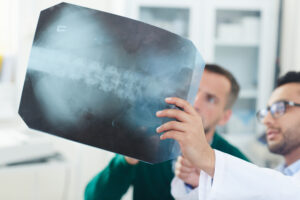
Post-Traumatic Stress Disorder (PTSD)
Survivors may experience intrusive memories, nightmares, or heightened anxiety related to driving or travel. PTSD can significantly impair daily functioning and relationships.
Anxiety and Depression
Chronic pain, disability, and lifestyle changes often contribute to anxiety and depression after a head trauma from a car accident. These conditions may require long-term treatment.
Cognitive Dysfunction
Even mild brain injuries can result in ongoing cognitive issues, such as difficulty concentrating or processing information. These deficits can impact school, work, and social interactions long after physical wounds have healed.
Legal Significance of These Injuries Under Pennsylvania Law
Pennsylvania law recognizes that specific injuries meet a “serious injury” threshold due to their lasting impact. When an individual experiences a serious injury, they or their loved ones are often entitled to seek greater compensation.
Head-on collision injuries often qualify because they involve:
- Permanent impairment, such as paralysis or chronic cognitive deficits
- Loss of bodily function, including mobility or neurological capacity
- Disfigurement, from fractures, surgical intervention, or amputation
These classifications influence how damages are assessed and recognize the profound medical, personal, and financial burdens that catastrophic head-on collision injuries impose on injured individuals.
Understanding the severity and permanence of common head injuries from car accidents and related trauma is essential when evaluating the full consequences of a head-on crash.
Contact an Easton Car Accident Attorney Today
Head-on collisions are uniquely destructive events that frequently cause multi-system trauma, affecting the brain, spine, chest, abdomen, and limbs simultaneously. Among these, head injuries and spinal damage are often the most life-altering, with consequences that extend far beyond the initial recovery period.
Because many injuries, particularly brain and internal organ damage, may not be immediately apparent, thorough medical evaluation and documentation are essential after any head-on crash.
For additional guidance related to these accidents in Easton, contact Munley Law’s experienced head-on collision accident attorneys. For nearly 70 years, our firm has represented injured people across the Lehigh Valley, and our team includes board-certified trial attorneys — a distinction held by only a small percentage of lawyers nationwide. Contact us today for a free consultation.