




If you or a loved one has been injured in a fall, a Harrisburg slip and fall lawyer can help you determine who is responsible and seek fair compensation.
These cases are rarely straightforward, as slip and fall claims often involve disputes over whether the property owner had notice of a hazard, how long it existed, and what documentation supports the injury. Insurance companies frequently use these uncertainties to deny liability, arguing that they were unaware of the danger or that the injured person caused the accident.
The personal injury lawyers at Munley Law have nearly seven decades of experience handling premises liability cases throughout Pennsylvania. Our attorneys have tried and won numerous slip and fall cases in Dauphin County courts, securing compensation for clients injured by preventable hazards. We know how these claims are defended, which evidence carries the most weight, and how to build cases that stand up in court.
If you were injured in a slip and fall accident in Harrisburg, contact us for a free consultation.
Where Do Slip and Fall Accidents Commonly Occur in Harrisburg, PA?
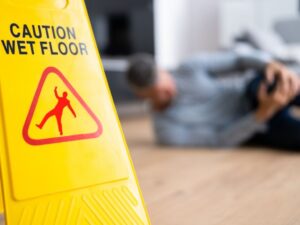
Slip and fall accidents in Harrisburg generally occur in common areas where property maintenance fails or dangerous conditions go unaddressed.
- Grocery stores and retail chains have numerous potential sources for slip and fall accidents. Spills, leaking refrigerators, and wet entryways during rain or snow can all create hazardous conditions. Liability is often disputed based on how long the hazard exist
 ed and whether employees knew about it. Video footage and cleaning logs can be critical in settling these types of claims.
 - Apartment complexes with common areas can pose hazards, including poorly lit stairwells, broken handrails, icy walkways, and uneven pavement. Landlords frequently argue they didn’t know about the condition and maintenance records, and past complaints become key evidence.
- Parking garages and surface lots in downtown Harrisburg often result in falls due to crumbling asphalt, potholes, poor lighting, or snow and ice buildup. Property owners may claim the hazard was obvious and could have been easily avoided.
- Office buildings and medical facilities with high foot traffic can accumulate water, ice, or debris. Liability disputes will often turn on whether warning signs were posted and whether cleaning schedules were followed.
- Restaurants and bars frequently see slip and fall hazards caused by spilled drinks, grease, food debris, and wet floors. Owners often argue that the spill was recent and that staff had no chance to clean it.
- Public buildings and walkways, including government offices and transit stations, involve additional legal challenges. Claims against city or county entities are subject to specific notice requirements and shorter filing deadlines.
 ed and whether employees knew about it. Video footage and cleaning logs can be critical in settling these types of claims.
Contact a Personal Injury Lawyer at Munley Law
 Call Us At 844-686-5397
 Common Property Hazards That Cause Slip and Fall Accidents in Harrisburg
Slip and fall accidents caused by dangerous conditions often stem from routine maintenance and inspection failures and can create clear liability when left unaddressed.
Some of the most common slip and fall hazards include:
- Wet floors and entryways. Rain and snowmelt are frequently tracked indoors by foot traffic, while routine cleaning can also leave surfaces slippery. Liability often depends on how long the condition existed and whether reasonable steps, such as mats, warning signs, or timely cleanup, were taken to prevent a fall.
- Ice and snow buildup. Slip and fall accidents are common during Pennsylvania winters. While the law does not require immediate removal of naturally occurring ice and snow, ongoing accumulation, repeated thawing and refreezing, or failure to address dangerous conditions over time can create liability if left unattended.
- Uneven pavement and flooring transitions. Older buildings and parking lots often have raised concrete slabs, broken sidewalks, or uneven walking surfaces that create trip hazards. Property owners frequently argue these conditions were “open and obvious,” even when they pose a serious risk.
- Poor lighting. Inadequate lighting can prevent people from seeing hazards in time to avoid them. When property owners know about poor lighting in stairwells, parking garages, or outdoor walkways and fail to correct it, they may be creating liability for resulting injuries.
- Building code violations. Missing or broken handrails on stairs or ramps can directly lead to falls. Building inspection and maintenance records often reveal how long these conditions existed and whether they should have been corrected before the accident occurred.
Most slip and fall cases come down to basic failures in maintenance and inspection. Property owners who neglect regular inspections, ignore known hazards, or delay necessary repairs can be held liable when those failures result in preventable injuries on their property.

“Munley Law is far more than just a law firm. We’re a family of attorneys who truly understand the meaning of family and bring deep compassion to every client we serve.”
J. Christopher Munley

Injuries Commonly Associated With Slip and Fall Accidents
Slip and fall accidents can cause serious injuries that require long-term medical care and legal analysis.
Traumatic Brain Injuries
Slip and fall accidents can result in traumatic brain injuries (TBI) when the head hits the ground or another surface. At Munley Law, we have extensive experience handling claims involving TBIs.
Spinal Cord and Back Injuries
Falls can cause spinal cord injuries, herniated discs, and compression fractures that result in chronic pain and limited mobility. These types of injuries can result in complex compensation claims that require an experienced attorney who specializes in catastrophic and long-term injury cases.
Fractures and Orthopedic Injuries
Wrist fractures, hip fractures, and ankle injuries are common and often require surgery and long recovery periods.
How is Liability Evaluated in Harrisburg Slip and Fall Cases?
 Our Harrisburg premises liability lawyers know that property owners and their insurance companies will routinely deny responsibility for any accident and try to shift the blame onto others.
Property owners will deny responsibility by claiming they didn’t know about the hazard. They may argue that the condition developed suddenly, was caused by someone else, or was obvious. Proving liability requires showing that the property owner created the hazard, knew about it, or should have known about it through reasonable inspection.
Notice is central to most slip and fall cases. There are two types of notice:
- Actual notice means the property owner had been made aware of the hazard through previous complaints, incident reports, or even direct observation.
- Constructive notice means that a hazard has existed long enough for a reasonable inspection to have found it.
Timing issues also complicate many cases. Property owners may claim the hazard was fixed right after the fall, that security video was automatically deleted, or that cleaning logs were lost.
Commercial properties are generally held to higher standards than residential properties. They are expected to conduct regular inspections, maintain cleaning schedules, and address hazards quickly.
It’s important to note that when a fall occurs on property owned by a city or county, public property complications may arise. Pennsylvania law requires specific notice requirements and shorter deadlines for claims against public entities.
Evidence That Often Determines Slip and Fall Cases in Harrisburg
At Munley Law, our Harrisburg slip and fall attorneys focus on securing time-sensitive evidence before it is lost or destroyed.
Surveillance footage: This is often the most important evidence, as video can establish a timeline for the hazard’s existence. Time-stamped footage can show how long the hazard existed, whether the property owner had notice, and what happened during the fall. Be aware that many businesses automatically delete security footage within 7 to 30 days.
Incident report: An incident report will create a written record of the fall and the property owner’s response. Requesting a copy at the time of the fall helps to preserve evidence that property owners may later claim never existed.
Cleaning and inspection logs: These records can show whether the property owner has been following their own maintenance schedules. Gaps in the logs can demonstrate a failure to meet the duty to inspect.
Snow and ice removal records are critical in winter cases. Weather records, contractor invoices, and work orders can show how quickly a property owner responded to snow accumulation.
Photos and witness statements: These document the hazard and circumstances of the fall at the moment of the accident. Property owners often fix hazards immediately, removing evidence before further investigation can be conducted.
What to Do After a Slip and Fall in Harrisburg
Immediately after a skip and fall accident in Harrisburg, you should:
Document the dangerous condition immediately: Take photos or video of the condition that caused the fall before it is repaired or cleaned. In Harrisburg slip and fall cases, property owners often fix hazards quickly, which can eliminate the most important evidence.
Report the incident in writing: Ask for an incident report to be filled out and request a copy. Internal reports create a record that can later establish notice and responsibility.
Preserve surveillance footage: Many Harrisburg businesses automatically delete security video within days or weeks. Request that the footage be preserved as soon as possible.
Seek medical evaluation: Medical records connect the fall to your injuries and prevent insurers from arguing the injuries were unrelated.
Avoid recorded statements: Insurance adjusters often use early statements to dispute fault or minimize injuries before evidence is reviewed.
Contact a Harrisburg slip and fall lawyer: Contact a Harrisburg premises liability attorney at Munley Law to discuss your case.
How a Harrisburg Slip and Fall Lawyer Builds a Case
When building your case, our Harrisburg slip and fall lawyers will do the following:
Investigating the Property and Hazard
Our Harrisburg slip and fall lawyers will conduct an independent investigation of the property where the fall occurred. This investigation will document the scene through photos, review building codes, and identify maintenance problems.
Preserving Time-Sensitive Evidence
Surveillance footage, incident reports, and cleaning logs are often lost or destroyed within weeks of a fall. Our attorneys will send a preservation letter to the property owner and their insurers to prevent the destruction of evidence.
Coordinating With Appropriate Experts
Premises liability cases may require testimony from safety experts, engineers, and property management professionals who can explain how the hazard should have been found and fixed.
Documenting Financial Losses
Slip and fall cases involve both economic and non-economic damages. Medical bills, lost wages, and future care costs must be documented carefully.
Litigating Cases in Dauphin County Courts
Munley Law has tried a number of slip and fall cases in Dauphin County courts. We understand how local juries evaluate premises liability claims. Our attorneys have the trial experience and resources to handle contested liability cases through verdict trials.
If you were injured in a slip and fall accident in Harrisburg, contact Munley Law for a free consultation. We handle premises liability cases on a contingency fee basis. You pay no fees unless we win.
Pennsylvania Laws That Affect Slip and Fall Claims
Harrisburg is subject to Pennsylvania premises liability laws, which set specific standards for property owners’ duties, notice requirements, and the allocation of responsibility in slip and fall claims.
Statute of Limitations
Pennsylvania law sets a two-year statute of limitations for personal injury claims. This includes most slip and fall cases. Claims against government entities have shorter notice requirements and must be filed within six months under the Pennsylvania Political Subdivision Tort Claims Act.
Comparative Negligence
Pennsylvania follows a modified comparative negligence rule. If the injured person is found more than 50% at fault, they cannot recover damages. Property owners will try to leverage this and argue the injured person was distracted or ignored the obvious hazards.
Snow and Ice Rules
Pennsylvania law does not require property owners to immediately remove naturally occurring snow and ice. However, property owners can be liable if they create or worsen the icy condition through careless snow removal or failure to address ongoing buildup.
Frequently Asked Questions About Harrisburg Slip and Fall Cases
What If The Property Owner Says They Didn’t Know About The Hazard?
Property owners can be held liable for a slip and fall accident even without actual firsthand knowledge of the situation. If the hazard existed long enough that a reasonable inspection would have found it, the property owner had constructive notice.
What If There Were No Witnesses?
Slip and fall cases can proceed without witnesses if other evidence supports the claim. Surveillance footage, incident reports, photos, and maintenance records can establish liability.
What If The Hazard Was Repaired Afterward?
Repairs made after an accident are generally not admissible as evidence of negligence under Pennsylvania law. Photographs and witness statements documenting the condition before a repair is made carry more weight.
How Long Do Harrisburg Slip and Fall Cases Usually Take?
Most Harrisburg slip and fall cases resolve within 12 to 24 months, but contested liability cases can take longer. Cases that go to trial may take two to three years from the date of the fall.
What if the Fall Happened on Public Property?
If a slip and fall accident happened on public property, claims against cities or counties are subject to the Political Subdivision Tort Claims Act. This law requires written notice to the government entity within six months and sets shorter filing deadlines.
Contact Our Harrisburg Slip and Fall Attorneys
If you were injured in a slip and fall accident in Harrisburg or the surrounding area, contact a Harrisburg slip and fall attorney at Munley Law for a free consultation. We handle premises liability cases on a contingency fee basis—no recovery, no fee.
J. Christopher Munley
James Christopher Munley is an award-winning plaintiffs’ lawyer who has dedicated his career to fighting for accident victims and their families. As a board-certified civil trial advocate, Chris was named Lawyer of the Year by Best Lawyers for Workers’ Compensation by Best Lawyers, and has been listed on Pennsylvania Super Lawyers since 2013.