





If you or your loved one has experienced nursing home abuse, Munley Law’s nursing home abuse lawyers are here to help. Families choose our firm because we have built a reputation as one of the strongest advocates for elder abuse victims, with the skill, resources, and determination needed to take on large nursing home corporations and their insurers. With 65 years of experience representing personal injury victims and over $1 billion in settlements, our team provides powerful advocacy for residents who feel voiceless.
Our board-certified personal injury attorneys are all members of the American Association of Justice and work with medical professionals, geriatric specialists, and forensic investigators to document injuries, identify patterns of neglect, and build a strong case against the facility. We also collect records, interview witnesses, and assess staffing practices to show how and where the breakdown in care occurred. Every step is designed to hold responsible parties accountable and provide your family with a path forward.
Contact Munley Law today for a no-obligation, free consultation.
$32 Million Wrongful Death
$26 Million Truck Accident
$20 Million Commercial Vehicle Accident
$19.8 Million Truck Accident
$17.5 Million Car Accident
$12 Million Work Injury
$11 Million Truck Accident
$9 Million Truck Accident
$8 Million Truck Accident
$8 Million Truck Accident
$7.5 Million Auto Accident
$6.9 Million Garbage Truck Accident
How Common is Elder Abuse?
Nursing home abuse occurs when nursing home staff or other employees of a long-term care facility mistreat residents, causing them harm.
According to the World Health Organization (WHO), globally, one in six people 60 years and older has been abused in a community care setting over the last year, with two out of three living facility staff admitting to elder abuse.
In the United States, the National Council on Aging reports that studies estimated pre-COVID-19 rates of one in ten Americans having experienced some form of elder abuse. During the pandemic, that number rose sharply, with one study documenting an 83.6% increase, bringing the rate to one in five.
Since the COVID-19 pandemic, elder abuse rates have been on the rise, and as our population continues to age, placing more of these individuals into a nursing facility, those numbers are only expected to increase.
What Are the Types of Nursing Home Abuse?
Common forms of nursing home neglect and abuse include:
Physical Abuse
Physical abuse occurs when a caretaker uses intentional force to harm an individual. Physical violence against the elderly is one of the most common forms of negligence in nursing home facilities. Examples of physical harm include hitting, beating, pushing, shoving, shaking, kicking, or punching a resident. Studies from the National Center on Elder Abuse (NCEA) show that 14.1% of documented mistreatment cases in long-term care involve physical harm.
Elderly victims of physical violence are more likely to suffer serious injury due to their fragile state and inability to recover as quickly.
Mental and Emotional Abuse
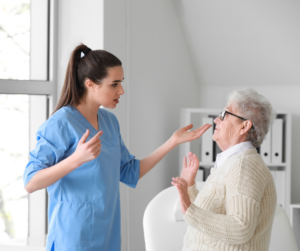 Mental abuse, also known as emotional abuse or psychological abuse, is any intentional act meant to instill mental anguish, fear, or humiliation. The NCEA reports that emotional mistreatment is the most common form of abuse in care settings, making up 33.4% of all reported cases. Mental abuse can include verbal abuse like degrading comments and threats, where the resident is made to feel less than about their situation and, in turn, is threatened with punishment.
Mental abuse also includes emotional threats and manipulation. In these scenarios, the resident may feel unable to ask for help or is placed in a position where they cannot speak out about the harm they are enduring for fear of retaliation. This can cause the resident to become isolated and rely heavily on a caregiver who purposely put them in this situation.
Sexual Abuse
Unfortunately, nursing home sexual abuse is a common occurrence, as the physical fragility and compromised mental capacity of some residents make them easy targets for predators. Sexual abuse is any unwanted sexual activity or conduct by a caretaker, another resident, someone visiting the facility, or a family member. The NCEA found that sexual misconduct in care settings accounts for about 2% of reported elder abuse incidents.
Sexual abuse or sexual assault by a caretaker often occurs due to inadequate background checks by the assisted living facility. Any form of non-consensual sexual conduct is considered sex abuse.
Inadequate Medical Care
When nursing home facilities are understaffed and overpopulated, residents suffer, and they don’t receive the medical attention they need. Facilities nationwide are struggling to maintain steady care because of widespread staffing gaps, with the American Health Care Association (AHCA) reporting that 99% of nursing homes have open staff positions. Inadequate training makes it harder for staff to recognize common ailments in time to prevent unnecessary pain and suffering. Common injuries faced in care facilities include:
- Bedsores: Pressure sores, pressure ulcers, or decubitus ulcers can be very serious if left untreated. They often result from excess moisture on the skin from soiled diapers and wet sheets. They can also occur due to immobility and not being moved around enough. In some cases, malnutrition and dehydration can increase the likelihood of bedsores.
- Medication errors: Staff members are entrusted to provide residents with the correct medication. However, when caregivers fail to provide the medications these residents need, the results can be fatal.
- Poor hygiene: Regular baths, showers, etc., are critical to the well-being of any person, but especially our elderly. But these tasks can go undone when they depend on health care workers to aid them in their hygiene practices. Poor hygiene can lead to skin infections and mental anguish for the resident. Recent research from McKnight’s confirms this, showing that many long-term care providers struggle with consistent infection-control knowledge and practices, which increases the risk of avoidable outbreaks among residents.
Malnutrition and Dehydration
Malnutrition and dehydration may occur in conjunction with another form of abuse or on its own. Malnutrition occurs when residents are not given enough to eat due to a lack of staffing to help residents eat, not paying attention to who needs assistance eating, or relying on supplements instead of providing nutritious meals.
Dehydration occurs when a person’s fluid output is greater than their input. This can occur for similar reasons as malnutrition and can quickly become life-threatening. Dehydration is one of the leading causes of emergency room visits for the elderly.
Restraint Use Abuse
In many states, a physician must order physical or chemical restraints on a patient in skilled nursing facilities. However, the use must be warranted, such as for the protection of the resident or for a worker if the resident is at risk to themselves and others.
When drugs are administered to sedate a patient without cause or a patient is restrained to a bed, this can be a sign of mistreatment.
Financial Abuse
Nursing home financial abuse occurs when the resident’s money, belongings, assets, etc., are used for someone else’s gain. This can occur with or without the resident’s knowledge. The NCEA estimates that financial exploitation makes up 13.8% of elder abuse cases in nursing homes. Financial abuse is more likely to be done by someone close to the elderly person, who can be a family member, friend, or caretaker who is aware of the resident’s financial status.
Financial abuse can start as emotional manipulation and also extends beyond care facilities. The FBI saw a 14% rise in elder fraud complaints in 2023, with losses exceeding $3.4 billion and an average loss of nearly $34,000 per victim.
Speak with a nursing home abuse lawyer near me.
What are Common Signs of Nursing Home Abuse?
Signs of abuse in nursing homes can vary depending on the types of abuse taking place and are not necessarily recognizable. For example, it may be easier to recognize physical abuse signs than it is to determine emotional abuse.
Common signs of neglect to keep an eye out for include:
- Unexplained injuries, like broken bones, bruises, etc.
- Emotional distress
- Lack of personal hygiene, including dirty clothes, unkept appearance, etc.
- Unexplained weight loss
- Changes in personality
- Severe distress
- Disinterest in daily activities
- Fear
- Unexplained sexually transmitted diseases
- Frequent slips and falls
- Unexpected death
While some elderly individuals may be more susceptible to illness and injury, it can quickly become apparent when something or someone is harming your loved one intentionally. If you suspect nursing home abuse, call a nursing home neglect lawyer at Munley Law immediately.
What Should I Do if I Suspect Nursing Home Abuse?
 If you believe your loved one is a victim of nursing home abuse, there are steps you must take to preserve their health and protect them from future harm.
The first is to call 911 if the person is in immediate danger. Further, if sexual abuse is occurring, contact the authorities to report the assault and abuse. Contact the nursing home administrator or management if the danger is not immediate. Be sure to mention what you’ve observed to make you believe neglect is occurring and ask for an investigation to begin.
You can also directly file a complaint with your local Ombudsman’s office.
Lastly, contact a nursing home negligence attorney at Munley Law. A nursing home attorney can guide you through filing a complaint and taking legal action to protect your loved one.
Why Choose Munley Law as Your Nursing Home Abuse Lawyer?
Finding the right nursing home abuse attorney for your case can be a challenge. Not all personal injury law firms are equipped to handle elder abuse and nursing home abuse cases.
However, Munley Law is. Our legal team has experience in recognizing the signs of nursing home negligence and has helped victims and their families file nursing home abuse lawsuits and wrongful death cases.
With over $1 billion recovered for personal injury victims nationwide, our results reflect the level of advocacy we bring to every client.
With an experienced attorney from Munley Law, you can rest assured knowing your case is being handled with the dedication, care, and compassion it requires. Every partner at our firm has been named among the Top 100 Trial Lawyers in Pennsylvania by the National Trial Lawyers Association, and all are listed in Lawdragon’s 500 Leading Plaintiff Consumer Lawyers in America. Our firm has also earned Tier 1 rankings in five practice areas on the Best Law Firms list, and three of our partners have been honored as Lawyer of the Year by Best Lawyers.
Our courtroom credentials run deep. Five of our attorneys hold a combined 11 board certifications from the National Board of Trial Advocacy, a distinction that speaks to their expertise in complex litigation. Marion Munley has earned special recognition for her work on behalf of injury victims, appearing on the Top 10 Super Lawyers in Pennsylvania list since 2022 and the Top 50 Women Pennsylvania Super Lawyers list since 2015. She is also joined by other partners in being a member of invitation-only national legal organizations such as the American Board of Trial Advocates, Litigation Counsel of America, and the International Society of Barristers.
With an experienced attorney from Munley Law, you can rest assured knowing your case is being handled with the dedication, care, and compassion it requires.
With our elder abuse attorneys, we will:
- Investigate your claim and determine what types of nursing home neglect are occurring.
- Collect evidence to show that the negligent facility has caused your loved one harm and is not a safe environment.
- Calculate the value of your nursing home abuse lawsuit, ensuring you get the compensation needed for medical bills, stolen property, pain and suffering, etc. If the abuse causes your loved one to pass, we can also put forth a wrongful death claim for your losses.
- Handle negotiations. The nursing home has its own legal counsel and insurance agents who will be ready to settle your claim quickly to keep the allegations under wraps. But that doesn’t mean they’ll offer you a fair settlement. Our lawyers will negotiate to get the compensation your loved one needs.
- Represent you and your loved one in court. Chances are, you are handling the lawsuit for your elderly victim of abuse. This may mean you don’t have the time to put into litigation–but we do. We’ll stand up for you and beside you to bring justice to your family.
Abuse in nursing homes is an unfortunate reality, especially in today’s world. But that doesn’t mean your loved one has to be defenseless. Our dedicated lawyers will take legal action against the facility to ensure your loved one is protected and cared for in the way they deserve.
For a no-obligation, free consultation, contact the personal injury attorneys of Munley Law.
Schedule a free consultation today.
Federal Laws on Nursing Home Residents’ Rights
The 1987 Nursing Home Reform Law guarantees residents’ rights and requires nursing homes to “promote and protect the rights of each resident.”
Long-term care facilities must meet the federal requirements under the law to participate in Medicare and Medicaid.
The following are the rights recognized under the law:
- Guarantee Quality of Life
- Right to be Fully Informed
- Right to Complain
- Right to Participate in One’s Own Care
- Right to Privacy and Confidentiality
- Rights During Transfers and Discharges
- Right to Dignity, Respect, and Freedom
- Right to Visits
- Right to Make Independent Choices
Further, residents have a right to:
- Be free from discrimination
- Participate in activities
- Be free from abuse and neglect
- Have a representative notified
- Manage your own finances
- Get social services
Each state may also have additional resident rights to protect an elderly person from harm while in the care of a facility.
Frequently Asked Questions About Nursing Home Abuse
What is an ombudsman in a nursing home abuse case?
An ombudsman is an individual who works to resolve the complaints and issues residents experience in assisted living facilities. These individuals are trained to handle common types of nursing home abuse complaints and are there to support victims of nursing home negligence as they determine the next steps to take.
Is nursing home abuse a crime?
Elder abuse is a crime, and in turn, abuse within a care facility enacted by nursing home employees, family members, etc., is also a crime.
Who can file a nursing home abuse lawsuit?
Elderly residents who are victims of abuse can file a lawsuit on their own behalf should they be cognitively able to do so. However, most nursing home lawsuits are brought forth by family members or their power of attorney.
If you want to take legal action on behalf of a loved one, contact Munley Law.
Contact an Experienced Nursing Home Abuse Attorney at Munley Law
 If you suspect a loved one is being abused in a long-term care facility, the Munley Law personal injury attorneys are here for you. We have handled some of the most common types of nursing home negligence and have secured thousands of dollars in settlements and verdicts for medical bills, mental anguish, and pain and suffering for elderly victims who did not receive the standard of care they deserve.
When you see your loved one with unexplained physical injuries or a change in their mental status, you need answers. Munley Law can help.
Contact us today for a no-obligation, free consultation.