



Families trust nursing homes to provide their loved ones with proper care, including adequate nutrition, hydration, and assistance with daily activities.
Residents with dementia, swallowing difficulties, limited mobility, or medical conditions that affect their ability to eat or drink are especially vulnerable. They may need assistance with meals, encouragement to drink fluids, or close monitoring to ensure they receive enough nutrition and hydration.
When nursing home staff fail to provide this care or overlook signs that a resident’s condition has changed, dehydration and malnutrition can quickly develop, often with serious consequences.
If a loved one has suffered dehydration or malnutrition because a nursing home failed to provide proper care, a Pennsylvania nursing home abuse lawyer at Munley Law can investigate what happened and determine whether neglect played a role.
We help families hold negligent facilities accountable and pursue compensation for the injuries their loved one has sustained. Contact us today for a free consultation.
 Call Us At 844-686-5397
 What Causes Dehydration and Malnutrition in Nursing Homes?
Dehydration and malnutrition can develop when nursing home residents do not receive the assistance and attention they need. In many cases, these issues are not caused by a single missed meal or a single overlooked drink. They may occur due to ongoing issues with staffing, communication, or care plans. 
Common causes of dehydration and malnutrition in Pennsylvania nursing homes may include:
- Not helping residents eat or drink when assistance is needed
- Failing to monitor weight loss or changes in appetite
- Ignoring signs that a resident is having difficulty swallowing
- Not following a resident’s dietary restrictions or care instructions
- Failing to provide enough fluids throughout the day
- Poor communication between nursing home staff members
For some residents, simply placing a meal tray in front of them is not enough. They may need help opening containers, cutting food, using utensils, or being reminded to eat and drink. If staff members do not provide that assistance, a resident may not receive the nutrition and hydration needed to stay healthy.
Signs of Dehydration or Malnutrition in Nursing Home Residents
Families are often the first to notice when something has changed with their loved one. Regular visits can make it easier to recognize warning signs that may not be obvious during routine medical evaluations.
Signs of dehydration may include:
- Dry mouth or cracked lips
- Confusion or unusual changes in behavior
- Weakness or fatigue
- Dizziness
- Dark urine or reduced urination
- Increased risk of infections
Signs of malnutrition may include:
- Unexplained weight loss
- Loose-fitting clothing
- Loss of strength
- Poor wound healing
- Increased tiredness
- Loss of interest in food
These symptoms don’t always mean that a nursing home was negligent. Older adults can experience changes in weight, appetite, and health for many reasons.
However, when these warning signs appear alongside concerns about missed meals, lack of assistance, or poor communication from the facility, families may need to ask whether their loved one is receiving the care they need.
How Dehydration and Malnutrition Affect Nursing Home Residents
Food and fluids are basic needs, but many nursing home residents can’t manage them without help. When a resident does not get enough to eat or drink, they may become weaker, more tired, or confused. They may also face a higher risk of problems like falls and infections.
Malnutrition can also make it harder for the body to heal. Residents who don’t receive adequate nutrition may be at higher risk of developing pressure sores, infections, and other health problems.
Many nursing home residents rely on staff members for help eating and drinking. When this assistance is not provided, their health can decline. Facilities must monitor residents, provide assistance when needed, and respond when a resident’s condition changes. When they fail to do so, residents may suffer preventable harm.
Pennsylvania Nursing Home Responsibilities for Preventing Dehydration and Malnutrition
Pennsylvania nursing homes have a responsibility to provide residents with the care they need to stay healthy and safe. That includes ensuring residents have enough food and fluids, assisting with meals when necessary, and addressing changes in a resident’s condition.
Federal regulations require nursing homes to provide care and services that help residents maintain their highest practicable level of well-being. Under 42 C.F.R. § 483.25, facilities must take steps to prevent avoidable declines in a resident’s condition.
For nutrition and hydration, this means nursing homes should monitor signs such as unexplained weight loss, difficulty swallowing, or a decline in how much a resident eats or drinks. If a resident’s needs change, the facility may need to update the resident’s care plan and provide additional support.
Pennsylvania regulations also require nursing facilities to provide nursing services that meet residents’ needs. Under 28 Pa. Code § 211.10, staff members must monitor residents, report concerns, and take appropriate action when a resident’s condition changes.
When a nursing home fails to meet these obligations, residents may suffer serious health consequences.
How Nursing Home Neglect Can Lead to Dehydration and Malnutrition
Nursing home neglect may occur when staff members fail to recognize or respond to a resident’s needs. Some residents need assistance with eating and drinking due to medical conditions, mobility limitations, or cognitive changes. When a facility fails to provide that assistance or to follow a resident’s care plan, the resident may become dehydrated or malnourished.
Staffing problems, poor communication between caregivers, or failing to follow a resident’s care plan can all contribute to these issues.
What Families Can Do If They Suspect Dehydration or Malnutrition
Families who notice signs of possible dehydration or malnutrition should ask questions and document their concerns. Speaking with nursing home staff, requesting information about a resident’s care plan, and asking how the facility is addressing the issue can help clarify what is happening. 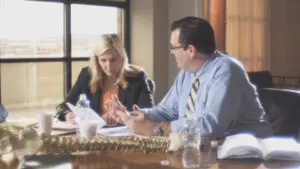
Families may want to keep track of:
- Changes in weight or appearance
- Unusual fatigue or confusion
- Concerns reported by the resident
- Conversations with nursing home employees
- Changes in eating or drinking habits
Medical records, dietary records, nursing notes, and care plans may provide important information about whether the facility recognized and responded to a resident’s needs.
How Munley Law’s Pennsylvania Nursing Home Neglect Lawyers Can Help
The nursing home neglect attorneys at Munley Law can review medical records, care plans, and facility documentation to determine whether the nursing home failed to provide appropriate care.
These records may show whether the facility recognized warning signs, followed the resident’s care plan, and took appropriate action. Our attorneys can also help families understand whether their loved one’s injuries or decline may have been caused by inadequate care.
Frequently Asked Questions About Dehydration and Malnutrition in Pennsylvania Nursing Homes
Is Weight Loss Always a Sign Of Nursing Home Neglect?
Not necessarily. Some weight changes may occur because of illness, medications, or other medical conditions. However, unexplained or significant weight loss may be a warning sign that a resident’s nutritional needs are not being met and should be evaluated.
What Should I Do If I Think My Loved One Is Not Getting Enough Food or Water?
Start by raising your concerns with the nursing home. Ask staff members about your loved one’s care plan, nutrition needs, and what steps are being taken to address the problem. If the concerns continue or your loved one has suffered harm, consider speaking with a Pennsylvania nursing home neglect attorney.
What Records Should I Request From a Nursing Home?
Important records may include medical records, care plans, dietary records, weight logs, nursing notes, and documentation of changes in the resident’s condition. These records can help show whether the facility identified concerns and responded appropriately.
Can Dehydration Or Malnutrition Lead To Serious Injuries?
Yes. Not getting enough food or fluids can leave a nursing home resident weaker and more likely to suffer problems such as falls, infections, pressure sores, and slower healing after an injury or illness. For residents who already have medical challenges, these complications can lead to a serious decline in their overall health.
Protecting Your Loved One’s Rights After Nursing Home Neglect
Nursing home residents should not go without the food, fluids, and assistance they need. When a facility fails to provide proper care, a resident’s health can decline, and serious problems can follow.
If you are concerned that a loved one is not receiving adequate nutrition, hydration, or attention, Munley Law’s Pennsylvania nursing home neglect attorneys can help you review what happened and determine what steps to take next.
Our attorneys have represented Pennsylvania residents for nearly seven decades, have extensive experience in nursing home abuse claims, and are recognized by respected organizations such as Best Lawyers, Super Lawyers, and Lawdragon. Additionally, all our lawyers are members of the American Association for Justice and the Pennsylvania Bar Association.
Contact us today for a free consultation. We work on a contingency basis and charge no fees unless we win your case.

Caroline Munley
Caroline Munley is a decorated and driven nursing home abuse lawyer. As the managing partner of Munley Law, Caroline has championed the rights of nursing home abuse victims, including assisting on a $850,000 case in which an elderly woman was injured in transportation from a nursing home. Caroline has achieved numerous accolades during her career, such as being named in the Top 100 Trial Lawyers in Pennsylvania (and the Top 25 Women Trial Lawyers), as well as Best Lawyers “Best Lawyers in America” since 2018.