



Medication errors in Pennsylvania nursing homes can cause serious harm. Many residents depend on staff members to give them the correct medication, and when a nursing home makes a mistake, a resident’s health can suffer.
A medication error can happen because of a simple oversight, but it can also result from problems within a nursing home’s care practices.
If a nursing home’s negligence with medication contributed to your loved one’s injuries, a Pennsylvania nursing home abuse lawyer at Munley Law can review what happened and explain your legal options. Contact us today for a free consultation.
 Call Us At 844-686-5397
 What Is a Nursing Home Medication Error?
A medication error happens when a resident receives the wrong medication, the wrong dose, or does not receive a medication as prescribed. These mistakes can happen at any point, including when a medication is ordered, prepared, given, or monitored.
A medication mistake can quickly affect a nursing home resident’s health. Many residents take several medications each day, and a missed dose, wrong medication, or incorrect amount can make an existing condition worse or cause new health problems.
The effects of a medication error can vary. Some residents may suffer falls, broken bones, bleeding, stroke, heart problems, changes in blood sugar, kidney problems, or seizures. Some may also need hospitalization.
Why Do Medication Errors Happen in Pennsylvania Nursing Homes?
Medication mistakes may result from:
- Inadequate staffing
- Poor communication between nurses and caregivers
- Failure to update medication records
- Incomplete resident assessments
- Lack of staff training
- Failure to follow the physician’s instructions
- Poor supervision of employees
Some residents cannot tell staff members they received the wrong medication because they have dementia, speech limitations, or cognitive impairments. These residents may not be able to tell staff something is wrong, which makes it important for caregivers to watch for changes.
Many of these medication errors can be reduced when nursing homes follow proper procedures.
Residents Most at Risk for Medication Errors
Some nursing home residents need more help managing medications because they rely on caregivers for their daily care.
Residents who may be more vulnerable to medication errors include those with dementia or Alzheimer’s disease, Parkinson’s disease, diabetes, heart disease, kidney disease, limited mobility, or those who take multiple prescription medications. These residents often need medication changes and staff who recognize changes in their condition. A single mistake can quickly affect their health.
Signs That a Medication Error May Have Occurred
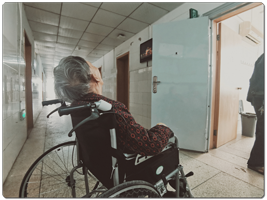 Families are often the first to notice when something seems different.
Warning signs may include:
- Sudden confusion or excessive sleepiness
- Unusual behavior changes
- New falls
- Difficulty waking up
- Unexpected allergic reactions
- Rapid changes in blood pressure or blood sugar
- Unexplained hospital visits
- A sudden decline after a medication change
Sometimes nursing homes explain these changes as part of aging. While health conditions can change over time, an unexpected decline should not be ignored, especially if it happens soon after a medication is started, stopped, or changed.
Pennsylvania Nursing Homes Have a Duty to Prevent Medication Errors
Pennsylvania nursing homes are responsible for giving residents medications safely and following each resident’s doctor’s orders. They must also monitor residents for side effects, changes in their condition, and problems that may require medical attention.
Federal rules require nursing homes to provide residents with the care they need and to properly manage medications. Under 42 C.F.R. § 483.45, nursing homes must follow safe medication practices, including properly ordering, storing, giving, and documenting medications.
Pennsylvania regulations also require nursing homes to provide nursing services that meet each resident’s needs. Staff members must follow physician orders, document medications accurately, and report changes in a resident’s condition.
When nursing homes fail to meet these responsibilities, residents can suffer preventable injuries.
When Is a Medication Error Nursing Home Neglect?
Not every medication mistake is nursing home neglect. However, a facility may be responsible when staff members fail to follow accepted standards of care and a resident is harmed as a result.
Examples include:
- Giving medication without checking the resident’s identity
- Ignoring physician instructions
- Failing to monitor a resident after administering medication
- Not reporting medication errors to supervisors or physicians
- Missing repeated doses because of poor staffing
- Failing to update medication records after a doctor’s order changes
What Evidence Can Help Show a Medication Error Occurred?
Records can help show whether a medication error occurred and what happened afterward.
Medication administration records, physician orders, nursing notes, pharmacy records, and hospital records may show whether staff members followed proper procedures or whether mistakes occurred before a resident became ill.
Evidence in these cases may include:
- Medication administration records (MARs)
- Physician orders
- Pharmacy dispensing records
- Nursing notes
- Hospital records
- Laboratory test results
- Incident reports
- Statements from staff members or witnesses
How Munley Law Handles Nursing Home Medication Error Cases
A nursing home medication error case often requires reviewing medical records, medication administration records, physician orders, and other information to understand whether the facility followed proper procedures. Munley Law’s nursing home abuse attorneys work with medical professionals when needed to evaluate whether a medication mistake contributed to a resident’s injuries.
Our lawyers will review the records to determine whether medications were given as ordered, whether staff documented care properly, and whether the nursing home responded when a resident’s condition changed. If the records show that a nursing home failed to provide proper care, we help families understand what steps they can take.
Munley Law represents families throughout Pennsylvania. Our personal injury law firm was established in 1959. Since then, we have earned numerous prestigious awards, recognitions, and certifications reflecting our commitment to legal excellence and ethical practice.
What Should Families Do If They Suspect a Medication Error?
If you believe a loved one received the wrong medication or the wrong dose, write down what you noticed and ask the nursing home staff what happened. Changes in behavior, an unexpected hospital visit, or a sudden decline in health can be signs that something went wrong.
Families may want to:
- Ask for an explanation of the medications being given
- Request a copy of the resident’s medication administration records
- Keep notes about changes in the resident’s condition
- Save discharge paperwork from hospital visits
- Write down conversations with nursing home staff
- Take photographs if there are visible injuries, such as bruises from a fall
These records may help show whether the nursing home recognized a medication problem and responded appropriately.
Frequently Asked Questions About Nursing Home Medication Errors in Pennsylvania
Can a Nursing Home Be Held Responsible For Giving The Wrong Medication?
Yes. A nursing home may be responsible if a medication error happened because staff members failed to follow physician orders, ignored safety procedures, or otherwise failed to provide appropriate care.
What If My Loved One Takes Many Different Medications?
Many nursing home residents take several prescription medications every day. That makes careful recordkeeping and monitoring even more important. Facilities are expected to follow medication orders carefully and watch for side effects or harmful drug interactions.
How Can I Find Out If a Medication Error Occurred?
Medical records, medication administration records, pharmacy records, nursing notes, and hospital records may help show whether a mistake occurred. An attorney can obtain and review these records as part of an investigation.
What Compensation May Be Available After a Nursing Home Medication Error?
Depending on the circumstances, an injured resident may be able to seek compensation for medical expenses, pain and suffering, and other losses related to the medication error. The available damages depend on the facts of each case.
Talk to a Pennsylvania Nursing Home Medication Error Lawyer at Munley Law
Medication mistakes can have serious consequences for nursing home residents who depend on others for their daily care. If you have questions about a possible nursing home medication error, Munley Law can review the available information and help you understand your options.
Our attorneys can explain the next steps and help determine whether the nursing home’s actions may have contributed to your loved one’s injuries.
Contact Munley Law to speak with a Pennsylvania nursing home medication error lawyer about your family’s situation. Consultations are free, and we charge no fees unless we win your case.

Marion Munley
Marion Munley is a passionate and highly experienced nursing home abuse lawyer. During her accomplished career, Marion has helped win millions of dollars for nursing home abuse victims, including an $850,000 case in which an elderly woman was injured in transportation from nursing home. In addition, Marion has been Triple Board Certified by the National Board of Trial Advocacy, named in the Top 10 Super Lawyers in Pennsylvania, and a Lawdragon 2026 Hall of Fame Inductee.