




Accidents causing spinal cord injury (SCI) are among the most devastating events a person can experience, often leading to permanent disability, chronic pain, and overwhelming financial strain. In Reading and throughout Pennsylvania, spinal cord injuries are frequently caused by preventable incidents such as vehicle crashes, acts of violence, workplace accidents, and falls.
Motor vehicle collisions remain the leading cause of spinal cord injuries nationwide, followed closely by falls, acts of violence, and sports and recreational injuries, according to the National Spinal Cord Injury Statistical Center (NSCISC). These injuries can result in partial or complete paralysis, loss of sensation, and lifelong medical needs.
Understanding how spinal injuries occur and what options exist after a serious accident can help victims protect their health, their rights, and their future. Contact our Reading spinal cord injury attorney today for a free case evaluation if you’ve been catastrophically injured as a result of someone else’s negligence.
 Call Us At 844-686-5397
 Understanding the Spinal Cord and Why Injuries Are So Serious
Before delving into the types of accidents that can lead to spinal cord injuries and the need for a Reading personal injury attorney, there are several the key concepts to understand about role and importance of the spinal cord in the human body.
The Function of the Spinal Cord
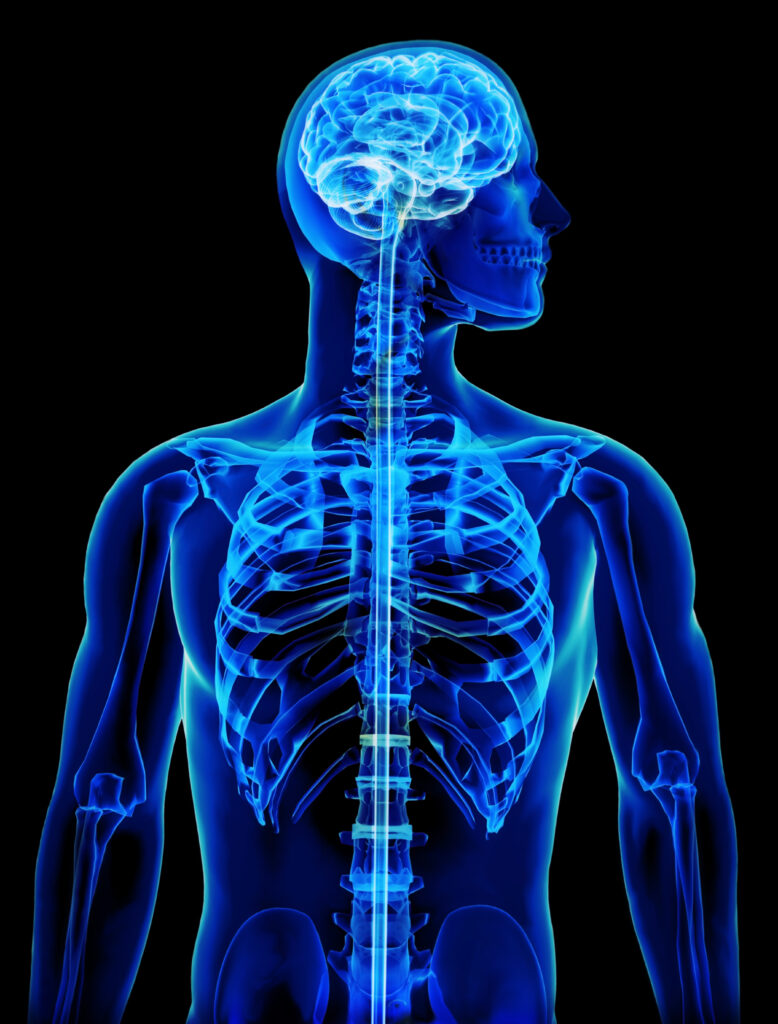
Considered the body’s information highway, the spinal cord is pivotal to your overall health and mobility. This cylindrical bundle of nerves facilitates the transmission of signals between the brain and the rest of your body, allowing you to move and feel sensations. It also plays a primary role in controlling reflexes and maintaining bodily functions like breathing and temperature regulation.
Anatomy of the Spinal Cord
Anatomically, your spinal cord is a complex structure, encased within the protective vertebral column. The vertebral column is divided into five regions:
- Cervical (neck)
- Thoracic (chest)
- Lumbar (lower)
- Sacral (pelvis)
- Coccygeal (tailbone)
The spinal cord consists of thirty-one segments, each of which gives rise to a pair of nerve roots. These roots combine to form peripheral nerves that relay messages to and from specific regions of your body. The location of an injury often determines whether paralysis affects the arms, legs, or both.
The Effects of Spinal Cord Injury
Given the essential role of the spinal cord, any injury to it can have significant impacts. Damage to the spinal cord can result in the loss of motor and sensory functions below the level of injury, a condition often referred to as paralysis. The severity and scope of these impairments can vary widely, depending on the location and extent of the injury.
In this regard, spinal cord injuries are classified as either:
- Complete injuries, where there is total loss of function below the injury site, or
- Incomplete injuries, where there is partial loss of motor or sensory function.
According to the NSCISC, about 18,421 new spinal injuries occur in the United States each year, with an estimated 308,620 people currently living with SCI nationwide. The lifetime cost for a high cervical injury can exceed $6 million, depending on age at the time of injury.
What Are the Common Accidents That Could Result in a Spinal Cord Injury?
Understanding the types of accidents that frequently cause spinal cord injuries is critical for prevention strategies and potential liability. Some common scenarios may include:
Motor Vehicle Accidents
Motor vehicle accidents are the leading cause of spinal cord injuries, accounting for more than 40% of new cases each year. High-speed collisions can cause severe damage to the spinal cord, especially when seatbelts, airbags, or other protective measures are not in use.
Additionally, vehicle rollovers and ejection from a vehicle significantly increase the risk of spinal trauma.
Spinal injury can occur in:
- Car accidents
- Truck accidents
- Motorcycle crashes
- Pedestrian collisions
- Cyclist collisions
Slip and Falls
Falls account for roughly 32% of spinal cord injuries and are the leading cause of SCI in adults over 65. As we age, our risk of falls increases due to factors like decreased balance, strength, and bone density. Falls can result in direct trauma to the spine or cause a sudden, forceful movement that can damage the spinal cord.
Other fall-related causes include:
- Unsafe property conditions
- Construction site falls
- Nursing home neglect
- Stairway slip-and-fall accidents
Property owners who fail to correct hazardous conditions may be held legally responsible for falls occurring on their premises.
Sports and Recreation Injuries
Sports and recreational activities can sometimes lead to spinal cord injuries, particularly high-impact or extreme sports like diving, rugby, ATV accidents, or downhill skiing. These types of activities can put participants at risk for falls or accidents that can result in damage to the spinal cord.
Improper supervision, defective equipment, or unsafe premises may create grounds for legal action.
Medical Malpractice and Surgical Errors
Medical and surgical complications account for approximately 4.3% of spinal cord injury cases in the US. These injuries can occur when something goes wrong during medical care, such as spinal surgery, injections near the spine, anesthesia complications, or errors in diagnosing and treating spinal conditions.
In some cases, spinal cord damage may result from avoidable mistakes or a failure to follow accepted medical standards, potentially giving rise to medical negligence claims.
Violence and Assault
Acts of violence, such as gunshot wounds and knife assaults, are also responsible for a percentage of spinal cord injuries. These traumatic events account for approximately 15.5% of spinal cord injuries nationwide and can cause direct damage to the spinal cord. Such cases often involve criminal proceedings and civil claims for damages.
Industrial Accidents and Occupational Hazards
Lastly, certain workplaces may carry an increased risk of spinal cord injuries. Jobs that involve heavy lifting or operating machinery can sometimes result in accidents that cause direct or indirect trauma to the spinal cord.
High-risk industries include:
- Construction
- Warehousing
- Manufacturing
- Transportation
According to the U.S. Bureau of Labor Statistics’ 2023 Census of Fatal Occupational Injuries, transportation incidents were the most frequent cause of fatal workplace injuries, accounting for 36.8% of all work-related deaths. Falls, slips, and trips also contributed significantly to workplace fatalities in key industries like construction. In some cases, third-party negligence may entitle a worker to compensation beyond workers’ compensation benefits under 77 P.S. § 481.

“At Munley Law, our mission is simple: to provide all injury victims equal access to justice, even against the most powerful entities. For almost 70 years, we have been the voice for the injured, the forgotten, and those who need someone to stand beside them in their darkest hour.”
Marion Munley

Treatment and Rehabilitation Following a Spinal Cord Injury
Coming to terms with a spinal cord injury can be challenging, but treatment and rehabilitation can foster independence and improve quality of life.
Immediate Treatment
Immediately after a spinal cord injury, the primary goal is to stabilize your condition. This involves preventing further injury and managing critical issues like breathing problems or shock. You may need surgery to remove fragments of bones, herniated disks, or foreign objects, or to stabilize the spine.
Medication
Medications, particularly high-dose steroids, may be used to reduce damage to nerve cells and decrease inflammation around the injury site.
Rehabilitation
Rehabilitation plays a vital role in recovery after a spinal cord injury. A team of professionals, including physical therapists, occupational therapists, psychologists, social workers, and others, will work together to help you regain as much independence as possible. This often involves learning new skills, relearning old ones, and adapting to changes in your body.
Assistive Devices
As part of your rehabilitation, you might also need various assistive devices such as wheelchairs, braces, or other equipment to help you with mobility and daily activities. Technology continues to advance in this field, offering increased mobility and independence for many people with spinal cord injuries.
While a spinal cord injury can change your life, with resilience, support, and the right care, you can navigate the challenges and embrace life’s opportunities.
Contact a Spinal Cord Injury Lawyer at Munley Law
Contact Munley Law’s Reading Spinal Cord Injury Lawyers Today
Munley Law has represented catastrophic injury victims for nearly 70 years and is nationally recognized for excellence in personal injury litigation. We have secured multi-million-dollar verdicts and settlements for seriously injured clients, including SCI victims of catastrophic vehicle and workplace accidents. Many of our attorneys are listed in Best Lawyers in America and are named among the Best Law Firms by U.S. News & World Report.
Some of our other accolades include:
- Members of the Million Dollar Advocates Forum and Multi-Million Dollar Advocates Forum
- Board-Certified Civil Trial Advocates
- Record-setting settlements and verdicts in catastrophic injury cases
- Recognized by Super Lawyers and Martindale-Hubbell AV ratings
If you were involved in an accident in Reading that caused a spinal cord injury, don’t delay. Contact our Reading spinal cord injury lawyer today to schedule a free consultation. We work on a contingency fee basis, so you don’t pay a cent unless we recover compensation.
Marion Munley
Marion Munley has been practicing personal injury law for nearly 40 years. She is triple board-certified by the National Board of Trial Advocacy for Truck Accident Law, Civil Trial Law, and Civil Practice Advocacy. She currently serves as Vice President of the American Association for Justice, an organization dedicated to safeguarding victims’ rights. Marion has won many multimillion-dollar recoveries for her clients, including one of the largest trucking accident settlements in history. She has been named a Top 10 Super Lawyer in Pennsylvania since 2023, a Best Lawyer in America, and was recently inducted to the Lawdragon Hall of Fame.