




What Injuries are Covered by Workers’ Compensation?
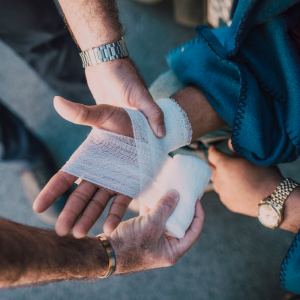 Workplace injuries come in many different shapes and sizes, including those covered under work vehicle accident insurance, ranging from overexertion and repetitive strain to traffic-related incidents that occur while driving for work purposes. According to the Pennsylvania Department of Labor and Industry, across all industries, the most common type of workplace injury is a sprain or a strain, which accounts for nearly half of all injury reports (Pennsylvania Work Injuries and Illness). The leading cause of sprains and strains in the workplace was found to be overexertion. If you are feeling fatigued while at work, we urge you to take extra caution to protect yourself and those around you.
Fortunately, though, workers’ compensation laws do not discriminate based on injury type. In short, any type of injury you sustain while at work would potentially qualify you to receive benefits. Even if you feel your injury is minor, you may still be entitled to receive compensation for it. To make sure that you have the opportunity to file for workers’ compensation, you must report your injury to your supervisor.
Notably, certain illnesses, such as COVID-19, now also qualify under workers’ compensation laws. If you contract such a disease while at work, and as a result are in some way limited in your ability to work, then you will likely qualify to receive workers’ compensation benefits.
What is Specific Loss?
Specific loss laws cover a particular class of injuries that result in permanent loss, disfigurement, or scarring. Some examples of these types of injuries include loss of hearing or vision, or loss of a limb, finger, or extremity, and permanent scarring of the skin caused by burns. Payouts for specific loss are determined by a set schedule, which takes into account the nature of the loss. For more information on specific loss, please review this presentation created by the Pennsylvania Department of Industry and Labor.
What If a Workers’ Compensation Injury Results in Death?
If a workplace injury results in death, the deceased’s family will likely be entitled to compensation. Death benefits include compensation for loss of life, as well as compensation for funeral and burial expenses.
Are there injuries that are not covered by workers’ compensation?
Unfortunately, not all injuries are covered by workers’ compensation laws. See below for an inclusive list of exclusions from workers’ compensation laws.
- Injuries caused by self-harm. If your injury is deemed to be caused by an act of self-harm, you will not qualify for workers’ compensation benefits.
- Injuries caused by an intra-personal altercation. If things get heated with a supervisor, fellow employee, or even a third party and escalate, any injuries you sustain from the altercation will not be covered under workers’ compensation laws.
- Injuries sustained while under the influence of drugs or alcohol. Even if you are within the legal limit of intoxication, this could still be used against you in a court of law.
- Injuries sustained while commuting to work. Although all injuries that you incur at work will be covered under workers’ compensation laws, injuries you sustain commuting to or from work will not be covered under workers’ compensation laws.
How Can Munley Law Personal Injury Attorneys Help?
 Hiring an experienced workers’ compensation lawyer can not only make the claims process go much more smoothly, but can also help you get the full compensation that you deserve. Many claims are denied simply because employers hope to intimidate employees out of filing for the benefits that they are entitled to. With our track record of multi-million dollar settlements, and over 65 years of experience, our team is the best in the business. Many of our team members have been locally and nationally recognized. Our dedicated staff will work with you every step of the way, from filing your claim to litigating in court. Our goal is to get you back on your feet and make sure you get the support you are entitled to as a Pennsylvania resident and taxpayer. Please do not hesitate to reach out to us today for your free consultation.

Robert W. Munley, III
Robert W. Munley, III is a seasoned personal injury attorney and award-winning courtroom advocate. While he regularly handles a range of personal injury cases, his focus is on truck accidents and workers’ compensation cases. Bob has served thousands of accident victims and workers, winning them millions with his bold advocacy.
 Call us at (844) 686-5397