




Munley Law’s Carbondale nursing home abuse lawyers focus on protecting vulnerable seniors and holding negligent facilities accountable. For nearly seven decades, we have represented injury victims across Pennsylvania with a proven record of results and client advocacy.
Our nationally recognized trial lawyers have earned distinctions from organizations such as Best Lawyers in America, Super Lawyers, Lawdragon, and the Million Dollar Advocates Forum, reflecting our commitment to excellence and results-driven representation.
When a loved one suffers abuse or neglect at a nursing home in Pennsylvania, families need clear answers and decisive legal action. We investigate claims, preserve evidence, and pursue justice with compassion and precision.
Our Carbondale lawyers fight to restore dignity, secure compensation, and ensure nursing homes are held to the standards residents deserve.
 Call Us At 844-686-5397
 What Is Considered Nursing Home Abuse Under Pennsylvania Law?
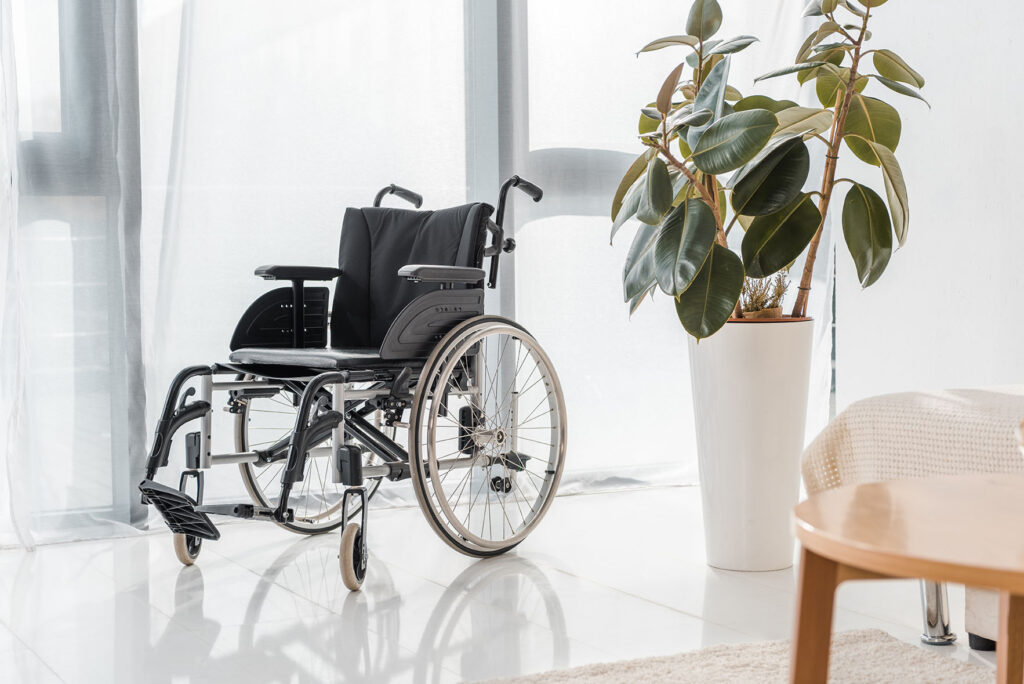
Nursing home abuse is an appalling yet disturbingly common violation of elderly rights. It is a comprehensive term that encompasses any physical, emotional, sexual, or financial harm inflicted upon an elderly individual in a nursing home. The abuse also includes negligence or neglect in providing appropriate care, hygiene, or medical attention.
According to the National Center on Elder Abuse (NCEA), at least 10% of Americans aged 60 or older experience some form of elder abuse each year, yet only a fraction is reported. Furthermore, the World Health Organization (WHO) reports that two in three nursing home staff members admit to committing some form of abuse.
What Are the Different Types of Nursing Home Abuse?
Nursing home abuse can manifest in numerous forms, with each presenting unique signs and repercussions. Some of the most prevalent forms include:
Physical Abuse
Physical abuse in a nursing home refers to the use of force against a resident that may result in bodily injury, physical pain, or impairment. Examples of this abuse could be striking, pushing, kicking, or inappropriately using drugs, restraints, or confinement. Warning signs may include unexplained injuries like bruises, burns, fractures, or frequent hospitalizations.
Emotional or Psychological Abuse
This form of abuse can be either verbal or non-verbal, causing emotional pain, distress, or anguish. Verbal emotional abuse could involve yelling, threatening, belittling, or humiliation, while non-verbal abuse can include isolation, ignoring the resident, or menacing gestures. Indications of emotional abuse can be challenging to spot but might include changes in behavior, depression, withdrawal, or fearfulness around specific caregivers.
Sexual Abuse
Sexual abuse involves any non-consensual sexual interaction, which can be particularly devastating for elderly individuals who may be physically frail or mentally incapable of providing consent. Warning signs can range from physical evidence, such as bruises or bleeding in private areas, to behavioral changes, like withdrawal or unusual fearfulness.
Financial Exploitation
Financial exploitation involves the unauthorized or improper use of a resident’s funds, property, or assets. This may occur through stealing money or possessions, forging signatures on checks, or tricking residents into signing contracts or wills. Unexpected changes in bank account balances, new credit cards, changes in wills, or missing personal belongings are potential signs of financial abuse.
Neglect
Nursing home neglect is the failure to fulfill a caregiving obligation that causes harm to a resident. It could involve failing to provide adequate food, water, shelter, personal hygiene, medication, comfort, personal safety, or other essentials. Signs of neglect may include malnutrition, dehydration, poor hygiene, bedsores, unattended medical needs, and hazardous or unsanitary living conditions.
What Legal Options Are Available for Nursing Home Abuse Victims?
The implications of nursing home abuse are extensive and distressing, affecting the physical and psychological health of the residents, reducing their quality of life, and potentially leading to premature death.
Fortunately, there are legal remedies for victims of nursing home abuse. Elder law and personal injury lawyers specializing in nursing home abuse can help victims and their families seek justice. They can guide them through the process of reporting the abuse to appropriate local and state agencies, gathering evidence, filing lawsuits, and seeking compensation for the harm suffered.
Overall, nursing home abuse is a horrific reality faced by a considerable number of elderly individuals. However, understanding its types and signs can help in early detection and intervention. Everyone – from family members to the community at large – must remain vigilant and proactive in protecting our elderly population, ensuring they receive the respect, care, and dignity they deserve.
Why Should You Hire a Nursing Home Abuse Lawyer in Carbondale?
Discovering that a loved one might be a victim of nursing home abuse is deeply distressing. It is a gross violation of trust, dignity, and the basic human rights of your elderly loved one. This crisis can leave you feeling helpless, overwhelmed, and unsure of the next steps. One of the most crucial moves in such a situation is to contact a lawyer specializing in nursing home abuse.
Here are some key reasons why you need a lawyer on your side:
Understanding of the Law
Elder law, which encompasses nursing home abuse, is complex and varies by state. It includes a multitude of regulations, standards, and guidelines established by different federal and state bodies. Nursing home abuse lawyers have a comprehensive understanding of these laws and can guide you through the legal labyrinth, ensuring you make informed decisions.
Identification of Abuse
Nursing home abuse can manifest in various forms – physical, emotional, sexual, financial, or neglect. A lawyer trained in this field can help identify the signs of abuse or neglect, even when they are not readily apparent.
Collection and Preservation of Evidence
A crucial aspect of a nursing home abuse case is collecting and preserving evidence. This evidence can include medical records, eyewitness testimonies, financial documents, and more. An experienced attorney knows what evidence is needed, how to obtain it, and how to present it effectively to make a compelling case.
Reporting to the Right Agencies
Pennsylvania’s Older Adults Protective Services Act (35 P.S. § 10225.101 et seq.) requires suspected abuse or neglect of a nursing home resident to be reported to the appropriate agencies, including Adult Protective Services, the local Ombudsman program, and the Pennsylvania Department of Health, and establishes the investigation process that follows. A lawyer can ensure these reports are properly filed and followed up on, ensuring the case doesn’t fall through the cracks.
Advocacy and Representation
Nursing home abuse cases often involve confronting powerful entities, such as the nursing home administration or their insurance companies. A nursing home abuse lawyer serves as a potent advocate for the victim, standing up to these entities and vigorously representing the victim’s interests. A lawyer can negotiate settlements or take the case to trial, depending on what’s best for the victim.
Compensation for Damages
Victims of nursing home abuse may be entitled to compensation for their physical injuries, emotional distress, medical expenses, and more. A lawyer can accurately assess these damages and aggressively pursue appropriate compensation, ensuring victims and their families receive the financial restitution they deserve.
If you suspect nursing home abuse, contacting a lawyer specializing in this field should be among your first steps. Their knowledge, experience, and advocacy can be instrumental in navigating the complicated legal landscape, ensuring the abuse is reported and addressed, and helping victims receive justice and compensation. More importantly, attorney intervention can help put an end to the abuse, ensuring your loved ones can live with the dignity, respect, and care they deserve.
How Can Munley Law Help with a Nursing Home Abuse Case?
Since 1959, Munley Law personal injury attorneys have been staunch defenders of victims’ rights, delivering justice in many personal injury cases across Pennsylvania. Our nursing home abuse lawyers stand tall in this proud tradition, fighting for the rights and dignity of our elderly population who are subjected to abuse and neglect within nursing homes.
Our Lawyers Are Known for Unmatched Expertise and Dedication

Munley Law’s nursing home abuse lawyers have a deep understanding of both the federal and state laws governing elder care. Their extensive knowledge and years of experience enable them to identify various forms of abuse and neglect, from physical and emotional harm to financial exploitation. This dedicated team is committed to providing comprehensive legal services, bringing compassion and dedication to every case they handle.
Building a Strong Case
Investigation and evidence gathering are the foundations of any successful legal case. Munley Law’s nursing home abuse lawyers are renowned for their meticulous attention to detail. Our attorneys conduct thorough investigations and gather evidence, including medical records, eyewitness testimony, expert opinions, and financial documents, to build a compelling case that accurately reflects the victim’s experience.
Advocacy and Representation Through Our Attorneys
Our attorneys stand up to powerful entities like nursing home administrations and insurance companies, fearlessly advocating for clients’ rights. Whether negotiating settlements or presenting arguments in court, our objective remains consistent: to deliver justice to clients.
Seeking Just Compensation
The attorneys at Munley Law understand the severe impact nursing home abuse has on victims and their families. The physical pain, emotional distress, and financial implications can be overwhelming. As such, our nursing home abuse lawyers are relentless in their pursuit of compensation for our clients. Our attorney will work tirelessly to ensure that victims are adequately compensated for medical expenses, pain and suffering, and any other damages related to the abuse.
Client-Centric Approach
Munley Law’s hallmark lies in its client-centric approach. We are committed to making the legal process as stress-free as possible for our clients. This commitment is reflected in our contingency fee structure. Our attorneys don’t charge any fees unless they win the case. Our lawyers are also readily accessible, keeping clients informed about their case’s progress and answering any questions or concerns they may have.
Frequently Asked Questions About Nursing Home Abuse Claims in Carbondale
How Long Do I Have to File a Nursing Home Abuse Claim in Pennsylvania?
In Pennsylvania, the statute of limitations for nursing home abuse claims is generally two years from the date the abuse occurred or was discovered. However, exceptions may apply, particularly in cases involving delayed discovery or wrongful death. Acting quickly helps preserve evidence and strengthens your case. Consulting a lawyer early ensures compliance with all deadlines.
Can I Sue a Nursing Home for Neglect Even If There Was No Sign of Physical Injury?
Yes, you can pursue legal action for neglect without evidence of physical injuries. Emotional distress, poor living conditions, and lack of proper care are all valid claims. Courts recognize the serious impact neglect has on a resident’s wellbeing. Documentation and expert testimony can help support these claims.
What Should I Do If I Suspect Abuse but Don’t Have Proof?
You should report your concerns immediately to the nursing home administration and the appropriate authorities. A lawyer can help investigate and gather evidence such as medical records, witness statements, and facility reports. Early action can prevent further harm, but if you feel it’s necessary, you should remove your loved one from the abusive environment. Legal professionals know how to uncover patterns of abuse that may not be obvious.
Are Nursing Homes Required to Meet Specific Safety Standards?
Yes. Pennsylvania nursing homes must comply with the Older Adults Protective Services Act (35 P.S. § 10225.101 et seq.), as well as federal standards under the Nursing Home Reform Act (42 CFR Part 483) for facilities that accept Medicare or Medicaid. These laws set requirements for staffing, health protocols, and resident rights protections. Facilities that fail to meet these standards can face penalties and lawsuits, and violations often serve as key evidence in abuse cases.
Can Family Members File a Claim on Behalf of a Nursing Home Resident?
Yes, family members or legal guardians can file claims if the resident is unable to do so. This is common in cases involving nursing home residents with cognitive decline or severe illness. Legal representation helps protect the resident’s rights. It allows families to act quickly when abuse is suspected.
What Role Do Inspections and Violations Play in a Case?
Inspection reports and prior violations can serve as strong evidence of negligence or systemic issues. These records may show a history of non-compliance with safety standards. Lawyers often use them to demonstrate that the facility failed to correct known problems. This can significantly strengthen a claim.
Contact a Carbondale Nursing Home Abuse Attorney at Munley Law
Munley Law’s nursing home abuse lawyers in Carbondale are champions of elder rights, extending expertise, dedication, and resources to seek justice for victims of nursing home abuse and neglect. Our attorneys’ robust legal advocacy serves as a beacon of hope for elderly victims and their families, ensuring that the perpetrators of these heinous acts are held accountable and that the victims receive the justice they rightfully deserve.
If you need help seeking justice in a Carbondale nursing home abuse case, contact Munley Law today.

Marion Munley
Marion Munley is a passionate and highly experienced nursing home abuse lawyer. During her accomplished career, Marion has helped win millions of dollars for nursing home abuse victims, including an $850,000 case in which an elderly woman was injured in transportation from nursing home. In addition, Marion has been Triple Board Certified by the National Board of Trial Advocacy, named in the Top 10 Super Lawyers in Pennsylvania, and a Lawdragon 2026 Hall of Fame Inductee.