Injured at Montage Mountain This Winter? What Skiers and Snowboarders Need to Know Now
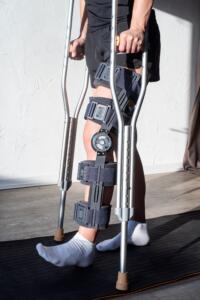 If you were hurt skiing or snowboarding at Montage Mountain earlier this winter, you may be at a turning point right now. The initial shock has settled. Medical appointments are ongoing. Bills are coming in. Maybe an insurance adjuster has already called, or maybe you’re simply wondering whether what happened on that slope was just bad luck or something the resort should have prevented.
This is the window where decisions start to matter.
Pennsylvania law gives injured skiers two years to file a personal injury claim, which means there is still time to protect your rights. But the weeks and months after an injury are also when important evidence fades, resort records get harder to obtain, and insurers begin building their defense. Understanding where you stand now, not eventually, makes a real difference.
Our Scranton premises liability attorneys at Munley Law regularly hear from people who weren’t sure, in the days following a fall or collision at Montage Mountain, whether they even had a case. Many didn’t know until their injuries turned out to be more serious than they first appeared, or until they understood the difference between a risk they accepted and a danger the resort created. That difference is at the heart of Pennsylvania ski injury law.
The Assumption of Risk Doctrine in Pennsylvania Ski Law
Pennsylvania follows a legal principle known as the assumption of risk when it comes to downhill skiing. This doctrine means that participants accept certain known dangers that are inherent to the activity.
Pennsylvania’s Skiing Responsibility Act codifies this directly. Under Section 7 of the Act, each skier expressly assumes the risk of and legal responsibility for injuries resulting from variations in terrain, surface, or subsurface snow and ice conditions, bare spots, rocks, trees, lift towers, and snowmaking and grooming equipment that is plainly visible or properly marked.
The law is explicit: skiers are individually responsible for knowing their own ability, maintaining control of speed and course, and obeying posted warnings. That statutory foundation is why resorts like Montage Mountain have a strong starting defense when injuries occur. But the Act also draws a clear line, and that line matters significantly for injured skiers.
For skiing and snowboarding, those risks often include:
- Collisions with other skiers or riders
- Changes in snow or ice conditions
- Variations in terrain, including moguls and steep slopes
- Falling while turning, stopping, or navigating trails
- Natural obstacles such as trees or rocks at the edge of a run
Ski resorts rely heavily on this doctrine as a defense. Lift tickets and posted signage typically reinforce that guests are accepting these risks when they choose to ski or ride. However, the assumption of risk is not unlimited. It does not give a resort a free pass for unsafe operations or preventable hazards.
 Call Us At 844-686-5397
 When a Ski Resort May Be Liable for Negligence
Even though skiing involves risk, resorts like Elk Mountain must still maintain their property and equipment in a reasonably safe condition. When they fail to do so, they can be held accountable under Pennsylvania law.
Negligence in a ski resort setting may involve:
- Improperly maintained ski lifts or mechanical failures
- Unmarked or poorly marked hazards on trails
- Inadequate lighting during night skiing sessions
- Failure to close unsafe trails or terrain features
- Defective rental equipment provided by the resort
- Poorly designed or maintained terrain park features
For example, a skier who loses control on an icy patch may have assumed that risk. But if that same patch formed because of a known snowmaking issue that the resort failed to address or warn about, the situation may look very different from a legal standpoint.
Similarly, terrain parks at Montage Mountain attract snowboarders and freestyle skiers from Scranton and nearby areas like Clarks Summit and Old Forge. While jumps and rails come with obvious risks, improperly constructed features or lack of maintenance can create dangers beyond what participants reasonably expect.
Ski Lift Accidents and Operator Responsibility
Chairlifts and surface lifts are essential to any ski area, and guests rely on them to function safely. When lift-related injuries occur, they often raise questions about operator negligence rather than assumption of risk.
Potential causes of lift accidents include:
- Sudden stops or jerking movements
- Improper loading or unloading assistance
- Mechanical malfunctions
- Failure to follow safety protocols
- Inadequate staff training
Skiers and snowboarders do not assume the risk of a lift malfunction caused by poor maintenance or operator error. These incidents can result in serious injuries, including falls from height or crushing injuries during boarding.
Collisions on the Slopes
Collisions between skiers and snowboarders are one of the most common sources of injury at Montage Mountain. Pennsylvania generally treats these incidents as inherent risks of skiing, especially when both individuals are acting within the bounds of normal behavior.
However, liability may still exist in some situations. A skier who is intoxicated, reckless, or traveling at an excessive speed in a crowded area may be held responsible for the injuries they cause. In some cases, the resort could also share liability if poor trail design, lack of signage or overcrowding contributed to the collision.
Determining fault in these cases often requires witness statements, incident reports and sometimes video evidence.
The Role of Waivers and Lift Tickets
Many visitors assume that signing a waiver or purchasing a lift ticket means they cannot bring a claim after an injury. That is not always accurate.
While waivers and posted notices can strengthen a resort’s assumption of risk defense, they do not eliminate liability for negligence. Pennsylvania courts closely examine these agreements, especially when serious injuries are involved.
A waiver may limit certain claims, but it will not protect a resort from responsibility for unsafe conditions that go beyond the ordinary risks of skiing.
If You Were Hurt at Montage Mountain This Winter, Here’s What to Do Now
Even if weeks have passed since your injury, there are concrete steps you can take today that can protect a potential claim.
- Gather what you have. Pull together your lift ticket, any rental agreements, medical records and bills, and correspondence from the resort or its insurer. If you filed an incident report with ski patrol on the day of the injury, request a copy.
- Do not sign anything from the resort’s insurance carrier. If an adjuster has contacted you — or does so going forward — do not accept a settlement or sign a release before speaking with an attorney. Early settlement offers are rarely in your interest, particularly if your injuries are still being evaluated.
- Document your losses now. Lost wages, ongoing treatment costs, physical therapy, prescription costs, and the impact on your daily life are all relevant. Start keeping a record if you haven’t already.
- Think back to the scene. Even now, write down everything you remember, trail conditions, signage or lack of it, what resort staff said or did, who else was present. Memory fades, but a written account made today is far better than one made six months from now.
- Talk to an attorney before the statute of limitations becomes a concern. Pennsylvania’s two-year window gives you time, but a free consultation now costs you nothing and tells you exactly where you stand.
Protecting Injured Skiers in Northeastern Pennsylvania
You may not have known in January whether you had a case. You might be starting to understand that now.
Ski injuries can be deceptive; what feels manageable in the first few weeks sometimes reveals itself as something far more serious. And the legal questions around resort liability, assumption of risk, and negligence in Pennsylvania are not always intuitive.
Munley Law’s Scranton personal injury attorneys have spent decades representing injury victims across Northeastern Pennsylvania. We know Montage Mountain, we know the terrain, and we know the legal standards that apply when a resort’s negligence turns a day on the slopes into something much harder.
If you or a family member was hurt at Montage Mountain or Elk Mountain this ski season, contact us today for a free consultation. There is no obligation, and the conversation itself may clarify more than you expect.
Contact Munley Law today for a free consultation to discuss your rights and options after a ski or snowboard injury.. No fee unless we win.

Robert W. Munley, III
Robert W. Munley, III is a recognized and highly accredited premises liability lawyer. Bob has served thousands of injured victims, winning millions in compensation. He has been appointed to Best Lawyers in America since 2013, and has been a Pennsylvania Super Lawyer since 2011.
Posted in Premises Liability.