



Who is at fault in a car accident in Reading, PA, depends on what each driver was doing right before the collision. It’s not about who suffered the most severe injuries or whose car looks more damaged. It’s about whether someone broke a traffic rule or failed to drive responsibly and caused the crash.
That determination matters because the at-fault driver is usually responsible for the financial fallout, including medical bills, lost paychecks, and vehicle repairs. And insurance companies start sizing that up almost immediately.
If the fault is misunderstood early on, it can affect the case throughout. A Reading car accident lawyer from Munley Law can step in early to protect your rights, preserve critical evidence, and push back against insurance company tactics designed to shift blame or minimize your claim.
 Call Us At 844-686-5397
 How is Fault Determined in a Reading Car Crash?
In simple terms, fault is based on negligence. That just means someone didn’t act as a reasonably responsible driver would have under the same circumstances.

That might involve:
- Running a red light
- Following too closely
- Driving too fast for conditions
- Drifting into another lane
- Looking at a phone instead of the road
If police come to the scene, the officer will usually speak with everyone involved, look for witnesses, examine the area, and write a report. This report is often the first evidence insurance companies review.
When drivers tell different stories, the details matter even more. Skid marks, impact points, and stopping distances can tell a very different story than what someone says at the scene.
How Traffic Violations Can Help Determine Fault
Who is at fault in a car accident in Reading, PA, is determined by whether a violation of the Pennsylvania Vehicle Code occurred.
For example:
- Following too closely under 75 Pa.C.S. § 3310
- Failure to yield at intersections under 75 Pa.C.S. § 3321; failure to stop or yield at stop/yield signs under § 3323
- Drivers must travel at a safe speed for conditions under 75 Pa.C.S. § 3361
Getting a traffic ticket doesn’t automatically decide the case, but it is important. Insurance adjusters compare the report with vehicle damage, photos from the scene, and, in some cases, crash data from newer cars.
Why Fault Still Matters in Pennsylvania’s Insurance System
Pennsylvania operates under a choice no-fault system. When you buy auto insurance, you choose between limited tort and full tort coverage. Your own PIP (personal injury protection) benefits cover your initial medical bills and lost wages regardless of who caused the crash.
But fault determines everything beyond that first layer:
- Limited tort: you can pursue the at-fault driver for pain and suffering only if your injury meets the serious injury threshold under 75 Pa.C.S. § 1705(d) — death, serious impairment of a body function, or permanent serious disfigurement — or a statutory exception applies (DUI conviction, out-of-state vehicle, intentional injury).
- Full tort: you retain the right to sue for all damages, including pain and suffering, regardless of injury severity.
Either way, proving the other driver caused the crash is what drives the claim against their liability insurance.
Small steps, such as getting medical care promptly or taking photos of the damage, can affect how insurers assign fault. They look at the whole situation, not just the crash itself.
What If Both Drivers Share Blame in a Car Accident in Reading?
Not every crash has a clear answer about who is at fault. Sometimes both drivers share blame, such as when one was speeding, and the other did not signal. Pennsylvania law considers each person’s contribution.
If you are found more than 50% at fault, you cannot recover damages. If you are 50% or less at fault, you may recover damages, but your compensation is reduced by your percentage of fault. In other words, if your case is valued at $100,000 and you are 25% at fault, you would receive $75,000.
Insurance companies often try to place some blame on everyone involved to reduce what they have to pay. This is why it’s so important to collect evidence and show what really happened. Witness statements, medical records, and details like who braked first can be crucial in these cases.
Why Evidence Can Change Everything When Proving Fault in a Reading Car Accident Case
Initial reports may not provide a complete account of the incident.
There are cases where initial blame was assigned, but later evidence, such as traffic camera footage or phone records, revealed a different account.
Factors like fatigue, distracted driving, or unsafe passing may not be obvious right away, but careful review can help find the real cause.
To prove who is at fault in a car accident in Reading, PA, it is important to hold onto evidence. Photos you take on your phone can be very helpful. Pictures of skid marks, intersection signs, or traffic signals give important context. These details can make a big difference in claims or court cases.

“Munley Law is far more than just a law firm. We’re a family of attorneys who truly understand the meaning of family and bring deep compassion to every client we serve.”
J. Christopher Munley

Steps That Can Protect Your Car Accident Claim
Your actions after a crash can influence how fault is determined: 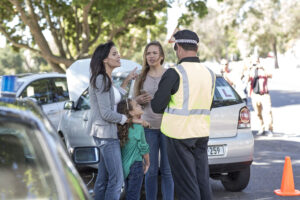
- Call the police so there is an official report.
- Get medical care right away.
- Take photos of the scene if you’re able.
- Be cautious when providing recorded statements immediately.
Keeping a personal record of the incident, including the order of events, witnesses, and conditions, can help your lawyer build a stronger case. Notes made immediately after the crash may capture details that could be forgotten later.
How Long Do You Have to File a Car Accident Claim in Reading?
Pennsylvania’s statute of limitations for personal injury claims is two years from the date of the crash under 42 Pa.C.S. § 5524. Miss that deadline and you lose the right to pursue compensation regardless of how clear the other driver’s fault was. The clock starts on the date of the accident in most cases, with exceptions for minors and the discovery rule.
Claims against a government entity — PennDOT, the City of Reading, or a municipal contractor — require a formal notice of claim within six months under 42 Pa.C.S. § 5522 before a lawsuit can be filed. Missing that notice deadline is fatal to a government-liability claim even if the two-year window is still open.
What Happens When Fault Is Disputed in a Car Accident in Reading?
When fault is disputed in a Reading car accident, the claim process often becomes more complex and more closely scrutinized. Insurance companies pay heightened attention to cases involving serious injuries, where potential payouts are higher, and liability questions carry greater financial risk.
In these situations, investigators may examine skid marks, medical records, vehicle damage, and witness statements to determine what really happened.
Insurers also consider which law firm is handling the case, as a legal team prepared to take a claim to trial can significantly influence settlement negotiations.
Even minor errors in presenting your case can reduce your settlement. Having an experienced attorney from Munley Law review the evidence and identify inconsistencies or overlooked details is highly beneficial.
Frequently Asked Questions about Fault in PA Car Accidents
How Long Does it Take to Determine Fault in a Reading Car Crash?
How long it takes to determine fault in a car accident depends on how clear the evidence is. Some cases are settled quickly, while others can take months if there is a dispute about fault.
Does a Traffic Ticket Automatically Mean The Driver is at Fault?
No, a traffic ticket is strong evidence in a car accident, but it does not automatically decide civil liability.
Can I Recover Damages if I Was Partly at Fault for a Car Accident?
Yes, in Pennsylvania, you can recover damages for a car accident, as long as you were not more than 50% responsible.
What if the Other Driver Denies Causing The Crash?
Even if the other driver denies causing the crash, claims can still move forward. Evidence like video, crash data, and witness testimony often resolves disagreements.
Need Help Understanding Fault After a Reading Car Accident?
Figuring out who is at fault in a car accident in Reading, PA, involves more than just looking at the damage. It means considering each driver’s actions, the evidence, and the insurance company’s view of the situation.
If it is unclear who is at fault or there is a dispute, talking to a lawyer who can review the evidence can really help.
At Munley Law, we offer free consultations and handle car accident cases on a contingency fee basis. This means you do not pay unless we win compensation for you.
Contact us today for expert legal help from award-winning Reading car accident attorneys.