






Nestled in the scenic hills of Berks County, Reading is a city steeped in history and culture. Known for its iconic Pagoda, the Reading Public Museum, and the bustling Santander Arena, it’s a city that beautifully blends the charm of the past with the vibrancy of the present. As the former “Pretzel Capital of the World” and a current hub for various industries, Reading is a city that never stops moving. But with this constant motion comes the unfortunate reality of car accidents, including those caused by drowsy driving.
At Munley Law Personal Injury Attorneys, we specialize in personal injury law, with a particular focus on car accidents and drowsy driving incidents. Our team of experienced Reading PA drowsy driving accident lawyers is committed to providing you with the highest quality legal representation. We understand the devastating impact a car accident can have on your life, and we are here to help you navigate the complex legal landscape that follows such incidents.
Our mission is to ensure that you receive the compensation you deserve for your injuries, pain, and suffering. We are not just your attorneys; we are your advocates and your partners in this journey toward justice. Trust Munley Law Personal Injury Attorneys to stand by your side, fighting for your rights every step of the way.
$32 Million Wrongful Death
$26 Million Truck Accident
$20 Million Commercial Vehicle Accident
$17.5 Million Car Accident
$12 Million Work Injury
$11 Million Truck Accident
$9 Million Truck Accident
$8 Million Truck Accident
$8 Million Truck Accident
$7.5 Million Auto Accident
$6.9 Million Garbage Truck Accident
$6.5 Million Traumatic Brain Injury
Why Choose Munley Law?
 Munley Law Personal Injury Attorneys is a distinguished law firm with a rich history of serving the Reading, Pennsylvania community. Our team of dedicated lawyers and staff is deeply committed to upholding the rights of individuals who have been victims of drowsy driving accidents.
For decades, we have successfully represented countless individuals in Reading and have helped them secure the compensation they deserve. Our track record speaks volumes about our dedication and commitment to our clients. We are not just lawyers; we are advocates who stand up for the rights of those who have been wronged.
At Munley Law, we believe in the power of personalized legal representation. We understand that every case is unique, and we tailor our approach to suit the specific needs of each client. When you choose us as your Reading, PA drowsy driving accident attorneys, you’re choosing a team that will treat you like family and work tirelessly to ensure you receive fair compensation.
Why Choose Us as Your Reading, PA Drowsy Driving Accident Attorneys?
After a drowsy driving accident, you need a legal team that understands what you are going through and how to help. At Munley Law, we treat our clients like family and provide effective legal services. What makes us different? Why should you hire Munley Law? Here are a few reasons:
- Proven Track Record: We have a decades-long history of getting successful verdicts and settlements for our clients. We have helped many clients in Reading and throughout PA get the compensation they deserve. We can do the same for you.
- Expertise and Knowledge: Our team of attorneys specializes in personal injury law, specifically on accidents caused by drowsy drivers. We stay up to date on the latest developments in the law and use this knowledge to build strong cases for our clients.
- Personalized Approach: We understand that every case is unique. That’s why we take the time to get to know you and understand your specific situation. We then tailor our legal strategy to meet your individual needs.
- Comprehensive Legal Services: From gathering evidence and negotiating with insurance companies to representing you in court, we handle all aspects of your case. This allows you to focus on your recovery while we focus on your legal claim.
- No Win, No Fee: We operate on a contingency fee basis, which means you don’t pay us unless we win your case. This ensures that you can access high-quality legal representation, regardless of your financial situation.
Choosing the right Reading car accident attorney can make a significant difference in the outcome of your case. Choose Munley Law, where we combine expertise, experience, and empathy to provide you with the best possible legal representation.
Contact us today for a free consultation.
Understanding Accidents Caused by Drowsy Drivers 
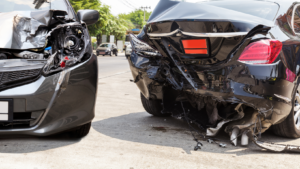
Drowsy or fatigued driving is a silent menace on the roads of Reading, PA. It causes accidents that can result in severe injuries or even fatalities. But what exactly is drowsy driving, and why is it so dangerous?
Drowsy driving refers to operating a vehicle while fatigued or sleepy. This can be due to lack of sleep, long work hours, untreated sleep disorders, or the use of medications that cause drowsiness. Regardless of the cause, the result is a decreased ability to pay attention to the road, slower reaction times, and impaired decision-making.
The National Highway Traffic Safety Administration estimates that drowsy driving causes thousands of crashes every year in the United States. Plus, unfortunately, these numbers may be underestimated, because it can be difficult to determine when drowsiness was a factor in a crash.
In Reading, PA, like in many other cities, everyone is busy and may not be getting enough sleep. This, combined with things like shift work, long commutes, and the use of certain medications that cause drowsiness, can increase the risk of drowsy driving accidents.
The consequences of these accidents can be devastating. They can lead to serious injuries such as traumatic brain injuries, spinal cord injuries, and broken bones. And drowsy driving can even cause fatal crashes. In addition to the physical injuries, the emotional and financial toll on accident victims and their families can be severe.
As your Reading PA drowsy driving accident lawyers, we are committed to helping you through the legal process and secure the compensation they deserve. Contact us today for a free initial consultation.
Our Approach to Drowsy Driving Accidents Cases in Reading, PA
At Munley Law, we approach each drowsy driving accident case with a comprehensive, meticulous strategy. Our goal is to build a compelling case that effectively demonstrates the negligence of the responsible party and the impact of the accident on your life.
Investigation
Our process begins with a thorough investigation of the accident. We work with a network of experts, including accident reconstruction specialists, medical professionals, and investigators, to gather all necessary evidence. This can include police reports, witness statements, medical records, and any available video footage.
Damage Assessment
Next, we assess the full extent of your damages. This includes not just your medical expenses, but also lost wages, pain and suffering, emotional distress, and any other losses you have incurred as a result of the accident.
Negotiation and Trial
Once we have a complete understanding of your case, we negotiate aggressively with the insurance companies. Our goal is to secure a fair settlement that fully compensates you for your losses. If a fair settlement cannot be reached, we are fully prepared to take your case to court.
Throughout this process, we maintain open and regular communication with you. We believe that you should be fully informed about your case at all times, and we are always available to answer any questions you may have.
Contact Munley Law Today
If you or a loved one has been a victim of a drowsy driving accident in Reading, PA, don’t hesitate to reach out to us. Our team of experienced Reading, PA drowsy driving accident lawyers is ready to fight for you. Contact us today to schedule a free consultation and learn more about how we can help you on your path to recovery.

