



Our Scranton nursing home abuse lawyers are committed to fighting for your loved ones if they are abused or neglected by the people who are responsible for their daily well-being. Here at Munley Law, we have more than 250 years of combined experience in protecting the rights of the injured in Lackawanna County.
We have what it takes to investigate cases thoroughly, leaving no stone unturned when gathering evidence to build strong cases supported by the available evidence and pursue fair compensation under the law. Over the years, we’ve secured multi-million-dollar settlements and verdicts, enabling those injured to move on with their lives. As a result, our attorneys continue to be recognized and awarded by respected institutions such as Super Lawyers, Irish Legal 100, and Lawdragon. Several Munley Law attorneys also hold board certifications through the National Board of Trial Advocacy, and all our partners received AV Preeminent ratings from Martindale-Hubbell.
If you suspect that the staff at a nursing home might be abusing or neglecting its vulnerable elderly residents, don’t wait any longer. Contact our experienced Scranton personal injury attorneys at Munley Law today for a free consultation. There is no charge to have a nursing home abuse lawyer review your loved one’s records, and we do not charge a fee for our services unless we win your case.
What Are the Different Types of Scranton Nursing Home Abuse?
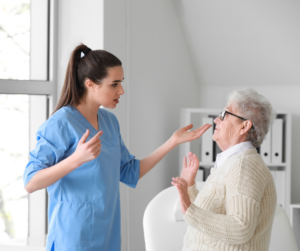 Nursing home abuse is any kind of harm that is inflicted upon elderly residents who reside in a long-term healthcare facility. The Nursing Home Abuse Center (NHAC) and Nursing Home Abuse Justice (NHAJ) identify five types of nursing home abuse:
Physical Abuse
Physical abuse occurs when a healthcare facility resident is physically hurt by facility staff or another resident. Examples of common physical abuse include hitting, slapping, punching, striking, biting, kicking, pushing, shoving, and forcefully restraining. Signs of physical nursing home abuse can include broken bones, bruising, scratches, cuts, lacerations, and concussions.
Emotional, Verbal, and Psychological Abuse
Emotional abuse damages a resident’s psychological or mental health. Examples of this type of abuse include yelling, berating, mocking, confusing, name-calling, threatening, insulting, scaring, manipulating, lying, or forcibly isolating the resident from social interaction and facility activities. Emotional nursing home abuse can result in anxiety, depression, damaged self-esteem, and other psychological conditions.
Financial Abuse
Financial abuse occurs when healthcare facility staff steal from residents. This often includes physically taking money and personal possessions directly from the elderly resident. Financial nursing home abuse also commonly takes the form of staff members forging checks linked to the resident’s account or manipulating residents into voluntarily giving the staff member funds or possessions.
Sexual Abuse
Sexual abuse is the intentional act of violating a nursing home resident in an unwanted sexual manner. Because many elderly residents are physically incapacitated, they are especially vulnerable to abuse by sexual predators. Sexual abuse can include intercourse, oral intercourse, groping, and unwanted touching. Residents who are victims of sexual abuse can sustain injuries such as lacerations, lesions, broken bones, and bruising, and can also contract sexually transmitted infections. This kind of abuse also causes emotional damage.
Nursing Home Neglect
The failure of nursing home staff to properly care for, clean, supervise, and protect residents constitutes abuse by general neglect. Examples of nursing home neglect can include failing to provide sufficient food and water, leaving residents alone for extended periods, allowing residents to remain uncleaned after going to the bathroom, improperly or failing to administer medications — which may constitute medical malpractice — failing to maintain clean facilities, declining to report residents’ injuries and complaints to medical staff, physicians, or family members.
Sadly, abuse is alarmingly common in nursing homes in the US. According to the Ballard Brief, nine relatively recent studies found that 64.2% of nursing home staff admitted to committing some form of elder abuse in the previous year. Another survey revealed that 40% of nursing home staff admitted to psychologically abusing their patients.
The AMA Journal of Ethics found that 44% of nursing home residents said they had experienced some form of abuse. If you or a loved one has been abused in a nursing home, you are not alone. Contact the Scranton nursing home abuse lawyers at Munley Law and let our attorneys evaluate your legal options.
 Call Us At 844-686-5397
 When Can a Nursing Home Be Held Liable for Abuse or Neglect?
Nursing homes and long-term care facilities have a duty to provide residents with reasonable care and protection from abuse and neglect. A facility may be held liable when injuries result from negligent care, inadequate staffing, poor supervision, regulatory violations, unsafe conditions, or other failures to meet applicable standards of care.
When unsafe conditions on the property lead to harm, the facility may be liable under premises liability law. A lawyer familiar with nursing home regulations can help determine whether the facility acted negligently.
What Laws Protect Nursing Home Residents in Pennsylvania?
Nursing home residents are protected by both state and federal law, and violations of these standards can serve as powerful evidence of negligence in a civil claim.
- Pennsylvania’s Older Adults Protective Services Act (OAPSA) — 35 P.S. § 10225.101 et seq. — protects adults age 60 and older from abuse, neglect, exploitation, and abandonment. It requires facility employees to report suspected abuse, and it allows the local Area Agency on Aging to investigate. A facility’s failure to report or act on signs of abuse can support a negligence claim.
- Federal residents’ rights — 42 C.F.R. § 483 — apply to any nursing home that accepts Medicare or Medicaid. These regulations guarantee every resident the right to be free from abuse, neglect, and unnecessary physical or chemical restraints, the right to dignity and proper medical care, and the right to participate in decisions about their own treatment. When a facility falls short of these standards, that shortfall often forms the backbone of an abuse or neglect case.
- The Long-Term Care Ombudsman Program: This program gives residents and families an independent advocate to raise concerns about care, separate from any lawsuit.
Most nursing home abuse and neglect claims in Pennsylvania proceed as negligence (or corporate negligence) actions, and the standards above help establish what the facility should have done. As with other injury claims, the statute of limitations is generally two years (42 Pa. C.S. § 5524), so it’s important to act promptly.

“Honoring those who came before us, Munley Law proudly continues our family tradition of innovation, caring, and integrity. Three generations of Munleys have built this firm on one belief: that injured people deserve the same fierce advocacy that the powerful receive as a matter of course. That belief still drives everything we do.”
Caroline Munley

What Are the Causes of Nursing Home Abuse in Scranton, PA?
 There is no one cause of nursing home abuse. Healthcare facility staff abuse elderly residents for several reasons, including:
- Staffing shortages and overworked staff
- Insufficient pay for caregivers
- Lack of training, experience, and supervision
- Poor management
- Lack of reporting mechanisms and accountability for staff members
While some of the causes mentioned above are injustices toward nursing home staff, the abuse of vulnerable people in care facilities can never be justified or excused. Among the rights of residents of nursing homes and elder care facilities, as outlined by the Pennsylvania Department of Aging, are the right to be treated with respect and dignity and to be protected from exploitation, involuntary seclusion, neglect, mental abuse, physical abuse, and sexual abuse.
Pennsylvania Nursing Home Residents’ Rights
Pennsylvania law provides important protections for nursing home residents. Under the Older Adults Protective Services Act (OAPSA), 35 P.S. § 10225.101 et seq., reports of abuse, neglect, exploitation, or abandonment of adults age 60 and older may be investigated through Pennsylvania’s protective services system.
Residents of Medicare- and Medicaid-certified nursing facilities are also protected by federal regulations, including the Nursing Home Reform Act regulations found at 42 C.F.R. Part 483. These regulations establish residents’ rights to dignity, freedom from abuse and neglect, participation in care decisions, privacy, and appropriate medical treatment.
Families who suspect abuse or neglect may also seek assistance from Pennsylvania’s Long-Term Care Ombudsman Program, which advocates for residents and investigates complaints involving long-term care facilities.
Who Are the Most Vulnerable Residents of Long-Term Healthcare Facilities?
Although any resident of a nursing home or long-term healthcare facility in Scranton, PA, can suffer physical, psychological, financial, or sexual abuse, specific elderly populations are especially vulnerable. Examples of residents who may be susceptible to abuse because they require more or different care include:
- Residents who suffer from mental illness
- Cognitively impaired residents
- Residents who are physically disabled
According to the National Institute of Health (NIH) and the National Center on Elder Abuse (NCEA), women are also especially likely to be abused. Female residents are perceived to be easier targets than their male counterparts. As women live longer than men on average, they spend a longer average amount of time residing in a healthcare facility, and there are more women in nursing homes.
What Should You Do If You Expect Nursing Home Abuse or Neglect in Scranton, PA?
If someone you love resides in a long-term healthcare facility in Lackawanna County and you suspect that they may be the victim of neglect or physical, emotional, financial, or sexual abuse, call the experienced Scranton nursing home abuse lawyers at Munley Law Personal Injury Attorneys for a free consultation today. For almost 70 years, our law firm has fought for victims of abuse and their families.
We work closely with an on-staff doctor to review your loved one’s medical records and obtain any relevant documentation and evidence from the nursing home facility. With decades of experience with these cases, we know how to investigate the claim and build your case.
Our firm has represented injury victims and their families for decades and has obtained significant settlements and verdicts in a variety of cases. We’ve recovered more than $1 billion in damages since our firm was established. While no amount of compensation will erase the harm done to your loved one, a settlement or verdict may help recover financial losses and hold negligent parties accountable.
Our personal injury lawyers in Scranton have earned national recognition for their legal victories and client service. Each of our partners has been listed in Best Lawyers in America. In particular, Marion Munley was named Lawyer of the Year for Personal Injury Litigation. Munley Law has consistently been featured among Pennsylvania Super Lawyers. In addition, the National Trial Lawyers named all our partners among the Top 100 Trial Lawyers and named Caroline Munley among the Top 25 Women Trial Lawyers and Top 25 Medical Malpractice Trial Lawyers in Pennsylvania.
In addition to seeking legal counsel, family members may report concerns to the Pennsylvania Department of Health, Adult Protective Services, or Pennsylvania’s Long-Term Care Ombudsman Program. Reporting suspected abuse can help protect current residents and prevent future harm.
Frequently Asked Questions About Scranton Nursing Home Abuse Cases
How Do I Know if My Loved One is Being Abused or Neglected in a Scranton Nursing Home?
You can know your loved one is being abused or neglected in a Scranton nursing home if you see one or more of the common warning signs. Among these are unexplained bruises, cuts, fractures, sudden weight loss, poor hygiene, and behavioral changes such as anxiety or withdrawal. You may also notice missing personal belongings or unexplained financial transactions.
Who Can Be Held Responsible for Nursing Home Abuse in Scranton, PA?
Various parties can be held responsible for nursing home abuse in Scranton, PA. Liability may extend to the nursing home facility, individual staff members, administrators, or third-party contractors. Facilities can be held accountable if abuse occurs due to negligence, understaffing, poor training, or failure to supervise employees.
What Compensation Can Be Recovered in a Nursing Home Abuse Case?
Compensation for economic and non-economic damages can be recovered in nursing home abuse cases. This includes compensation for medical expenses, any financial losses caused by the abuse, pain and suffering, and emotional distress. In some cases, compensation may also include costs for transferring your loved one to a safer facility. If the abuse was especially severe, additional damages may be awarded to hold the responsible parties fully accountable.
How Long Do I Have to File a Nursing Home Abuse Claim in Scranton, Pennsylvania?
Under 42 Pa. C.S.A. § 5524 (2), you generally have two years from the date of the abuse or on which the abuse should reasonably have been discovered to file a nursing home abuse claim in Scranton, Pennsylvania. You may be prevented from filing a claim and recovering compensation if you miss this deadline.
How Can a Scranton Nursing Home Abuse Lawyer Help My Family?
A Scranton nursing home abuse lawyer can help your family by investigating the facility, reviewing medical records, gathering evidence, and working with experts to build a strong case. We can also handle communication with the nursing home and insurance company while protecting your loved one’s rights.
Contact Munley Law for a Free Consultation
If you suspect nursing home abuse, get the legal advice you need. Contact a Scranton nursing home abuse lawyer at Munley Law today to schedule a free consultation.
Caroline Munley
Caroline Munley is an experienced and award-winning personal injury lawyer and is a board-certified workers’ compensation specialist. Since 2018, she’s been listed in Best Lawyers in America (Personal Injury Plaintiffs; Workers’ Compensation Claimants, Northeastern PA), Lawdragon, and has been a Pennsylvania Super Lawyer since 2022. A member of the International Society of Barristers, Caroline has won millions of dollars for car accident, commercial truck crash, and workplace injury victims.
Reviewed by Bernadine Munley, Esq., Personal Injury Attorney at Munley Law, on August 28, 2026.