Seat Belt Syndrome: Common Injuries, Delayed Symptoms and Compensation
Seat belt syndrome refers to a pattern of injuries that occur when a seat belt restrains a person during a motor vehicle collision. While seat belts are critical safety devices that save lives, the powerful forces involved in crashes can still cause serious injuries.
At Munley Law, our car and truck accident attorneys regularly represent victims who sustained serious injuries in collisions involving passenger vehicles and commercial trucks. Understanding what seat belt syndrome is, how it occurs, and why symptoms can be delayed is important for anyone recovering from a crash. The severity of these injuries can also differ between car accidents and truck accidents.
Contact a Truck Accident Lawyer at Munley Law
 Call Us At 844-686-5397
 What Is Seat Belt Syndrome?
Seatbelt syndrome is a medical term for a combination of injuries caused by the force of a seat belt during a sudden stop or collision. It typically involves: 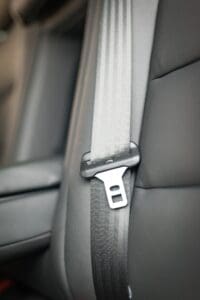
- A visible seat belt mark or bruise
- Internal abdominal injury
- Spinal fractures or soft tissue damage
The NIH’s National Library of Medicine details the cause of seatbelt syndrome. During a crash, the body moves forward rapidly while the seat belt restrains the torso. This sudden deceleration can cause the abdomen and chest to compress against the belt, forcing internal organs against the spine.
Because of this mechanism, the injuries associated with seat belts often affect:
- The lower abdomen
- The lumbar spine
- The chest and ribs
Common Injuries Associated With Seat Belt Syndrome
Seat belt injuries range from minor bruising to life-threatening internal damage. Medical providers often evaluate crash victims carefully when a seat belt mark is present because internal injuries are common.
Seat Belt Injury to the Lower Abdomen
One of the most common forms of seat belt injury is trauma to the lower abdomen. The lap portion of the seat belt crosses the pelvis and abdomen, which means it absorbs a large amount of force during a collision.
Possible injuries include:
- Bowel perforations or intestinal tears
- Liver or spleen injuries
- Bladder damage
- Internal bleeding
- Mesenteric tears
When the belt rides too high across the stomach instead of the pelvis, it may compress the stomach and intestines directly, increasing the risk of organ injury.
These injuries may not be visible right away, making prompt medical evaluation essential after any crash.
Spinal Fractures and Back Injuries
Seat belt syndrome is frequently linked to injuries in the thoracic and lumbar spine.
A well-known example is the Chance fracture, a flexion-distraction fracture where vertebrae separate, caused by the spine bending around the lap belt during sudden deceleration.
These injuries may include:
- Lumbar spine fractures
- Herniated discs
- Ligament tears
- Nerve damage
In many cases, spinal injuries occur at the same time as abdominal trauma.
Chest and Rib Injuries
The shoulder portion of the seat belt protects the head and upper body, but it can still cause injuries when the body stops abruptly.
Common chest injuries include:
- Rib fractures
- Sternal fractures
- Pulmonary contusions (bruised lungs)
- Clavicle injuries
These injuries occur because the shoulder harness distributes crash forces across the chest and collarbone.
Soft Tissue Injuries
Not all seat belt injuries involve bones or organs. Many victims experience soft tissue trauma, including:
- Deep bruising across the abdomen or chest
- Skin abrasions or burns from belt friction
- Muscle strains or ligament injuries
Although these injuries may seem minor, the presence of a seat belt bruise can signal underlying internal damage.

“Honoring those who came before us, Munley Law proudly continues our family tradition of innovation, caring, and integrity. Three generations of Munleys have built this firm on one belief: that injured people deserve the same fierce advocacy that the powerful receive as a matter of course. That belief still drives everything we do.”
Caroline Munley

Delayed Seat Belt Syndrome
A major concern with seat belt injuries is that symptoms may not appear immediately.
Delayed seat belt syndrome occurs when internal injuries develop hours or even days after the crash. For example, intestinal injuries or internal bleeding may not be detectable during the initial examination.
Symptoms may include:
- Increasing abdominal pain
- Nausea or vomiting
- Fever
- Swelling or tenderness
- Difficulty breathing
- Dizziness or weakness
Doctors often monitor patients with seat belt signs carefully because delayed complications are possible.
Car Accidents vs. Truck Accidents: Injury Differences
Seat belt syndrome can occur in both passenger car crashes and large truck collisions, but the severity and injury patterns may differ significantly. 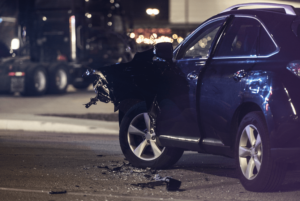
Car Accident Seat Belt Injuries
In typical passenger vehicle crashes, seat belt injuries often involve:
- Moderate abdominal compression
- Rib fractures or chest bruising
- Soft tissue injuries
- Minor spinal injuries
Passenger cars generally weigh less and are lower in height than commercial trucks. As a result, the forces involved may be less extreme than those seen in large truck collisions.
However, high-speed car accidents can still produce severe seat belt injuries.
Truck Accident Seat Belt Injuries
Truck accidents often lead to more severe seatbelt syndrome injuries because of the massive size and weight of commercial vehicles.
Factors that increase injury severity include:
- Greater crash force due to truck weight
- Higher impact speeds
- Intrusion into the passenger compartment
- Multi-vehicle collisions
Because of these factors, truck crash victims may experience:
- Severe abdominal trauma
- Multiple organ injuries
- Complex spinal fractures
- Internal bleeding
The extreme energy transfer in truck accidents can significantly increase the risk of catastrophic injuries compared to typical car crashes.
Why Seat Belt Syndrome Still Occurs
Seat belts are designed to reduce fatal injuries, and they remain one of the most effective safety devices in vehicles. However, the same mechanism that saves lives, restraining the body during impact, can also create concentrated pressure on certain parts of the body.
Seat belt injuries are more likely when:
- The belt is worn incorrectly
- The lap belt sits too high on the abdomen
- The crash occurs at high speed
- The vehicle stops suddenly in a frontal collision
Even with these risks, wearing a seat belt significantly reduces the chance of death in a crash.
When to Seek Medical Attention After a Crash
Anyone involved in a car or truck accident should seek medical evaluation if they notice signs of seat belt injury.
Warning signs include:
- A visible seat belt bruise across the abdomen or chest
- Persistent abdominal pain
- Back pain or stiffness
- Nausea or vomiting
- Difficulty breathing
- Increasing swelling or tenderness
Because internal injuries may be hidden, doctors often use imaging tests such as CT scans to detect abdominal or spinal damage.
Legal Help for Seat Belt Injury Victims
Seat belt syndrome injuries can lead to serious medical complications, long hospital stays, and significant financial losses. Victims of both car accidents and truck accidents may face:
- Emergency medical bills
- Surgery or hospitalization
- Rehabilitation and therapy
- Lost wages from missed work
If the crash was caused by another driver’s negligence, victims may have the right to pursue compensation for their injuries.
Contact our Car Accident and Truck Accident Lawyers Today
At Munley Law, our attorneys represent accident victims nationwide who suffer serious injuries after motor vehicle collisions. Whether the crash involves a passenger car or a large commercial truck, we can help victims pursue compensation for medical costs, lost income, and long-term recovery needs.
If you or a loved one has suffered seat belt syndrome, seatbelt syndrome, or another serious seat belt injury, speaking with our experienced truck or car accident lawyers can help you understand your legal options and protect your rights.
Contact us for a free consultation today.

Marion Munley
Marion Munley has been practicing personal injury law for nearly 40 years. She is triple board-certified by the National Board of Trial Advocacy for Truck Accident Law, Civil Trial Law, and Civil Practice Advocacy. She currently serves as Vice President of the American Association for Justice, an organization dedicated to safeguarding victims’ rights. Marion has won many multimillion-dollar recoveries for her clients, including one of the largest trucking accident settlements in history. She has been named a Top 10 Super Lawyer in Pennsylvania since 2023, a Best Lawyer in America, and was recently inducted to the Lawdragon Hall of Fame.
Posted in Truck Accidents.