How Can Families Spot Summer Heat Neglect in Lehigh County Nursing Homes?
Older adults, especially those on certain heart or blood pressure medications, lose the ability to cool themselves as effectively as younger people. This means that a nursing home’s air conditioning failure or understaffing during a heat wave can turn into a medical emergency faster than families expect.
Knowing what to look for and what the facility is legally required to do makes it possible to catch a problem before it becomes a crisis.
What Are the Early Signs of Heat-Related Neglect in a Nursing Home Resident?
The early signs of heat-related neglect include: 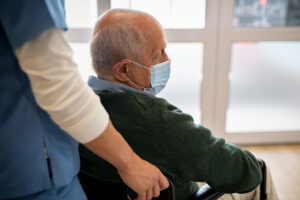
- Flushed or unusually dry skin
- Confusion or sudden agitation
- A fast or weak pulse
- Heavy sweating that stops suddenly
Dehydration often accompanies heat stress and can be harder to spot in residents with limited mobility or communication abilities. Dark urine, dry mouth, sunken eyes, and unusual sleepiness are all warning signs that staff should be monitoring, particularly for residents who can’t reliably ask for water themselves.
Families visiting during the summer months should also pay attention to the physical environment, and not just the resident. A room that feels noticeably warmer than the hallway, a broken thermostat, or staff mentioning that the air conditioning has been “out for a few days” are all signs worth acting on immediately rather than assuming the facility has it under control.
Weight loss over a short period, along with skin that’s lost its normal elasticity, can also point to chronic low-grade dehydration rather than a single bad day. Families who visit regularly are often the first to notice these gradual changes, since staff who see a resident every day may not notice a slow decline the same way someone visiting weekly would.
What Is a Facility Legally Required to Do to Prevent Heat-Related Harm?
Pennsylvania nursing homes are required to maintain a safe, comfortable indoor temperature for residents. They are also required to monitor residents at higher risk for heat-related illness, including those on diuretics, beta-blockers, or medications that affect sweating and temperature regulation.
Facilities are expected to have a working cooling system and a plan for what happens if it fails, not simply react once residents start showing symptoms. This includes having portable cooling units or an alternate cool space available, along with a process for checking on residents more frequently during a heat advisory.
Adequate staffing is part of this obligation, too. A facility that’s short-staffed during a Lehigh Valley heat wave may not have enough hands to redistribute cool fluids, reposition immobile residents, or respond quickly when someone starts showing symptoms. Understaffing during a known risk period can itself be a sign of neglect.
What Should a Family Do If They Suspect Heat Neglect at an Allentown Facility?
A family who suspects heat neglect should document the room temperature, the resident’s symptoms, and any statements from staff about equipment failures, then request the resident’s recent vital sign records and hydration logs from the facility.
Photos and timestamps are important here. A photo of a thermostat reading, a note of when a fan or air conditioning unit stopped working, and a record of how long the issue went unaddressed all work together to establish whether this was an isolated equipment failure or an ongoing pattern the facility failed to fix.
If a resident shows serious symptoms such as confusion, a rapid heartbeat, or loss of consciousness, it’s an emergency requiring immediate medical evaluation, not a wait-and-see situation. Getting the resident seen at a hospital creates a medical record independent of the facility’s own documentation, which is important if neglect is later confirmed.
Communicating directly with the facility’s administrator in writing rather than only verbally creates a paper trail showing that the family raised the concern and when. A facility that receives a written complaint and still fails to fix a known cooling problem has a harder time claiming it wasn’t aware of the risk.
Why Are Some Nursing Home Residents More Vulnerable to Heat Than Others?
Residents with dementia, limited mobility, or certain chronic conditions are more vulnerable to heat because they often can’t recognize their own thirst, move to a cooler area, or tell staff that something is wrong.
A resident with advanced dementia may not report feeling overheated at all, so staff must actively monitor for physical signs rather than wait to be told. A resident who relies on a wheelchair or is bedbound can’t simply walk to a cooler common room the way a more mobile person could during a facility’s air conditioning outage.
Medication is often the biggest hidden factor. Diuretics prescribed for heart conditions increase fluid loss, beta-blockers can blunt the body’s normal response to heat stress, and certain psychiatric medications interfere with sweating altogether. A facility that knows which residents take these medications has an obligation to monitor those residents more closely during a Lehigh Valley heat wave, rather than treating every resident as equally at risk.
Where Can a Lehigh County Family File a Complaint About Nursing Home Heat Neglect?
A Lehigh County family can file a complaint about nursing home conditions with the Pennsylvania Department of Health, which licenses and inspects long-term care facilities and investigates reports of resident neglect.
The department can send an inspector to review the facility’s cooling systems, staffing levels, and resident care records, and a substantiated complaint can lead to citations or corrective action requirements. This process runs separately from any legal claim a family may pursue and doesn’t require an attorney to initiate.
A state complaint and a legal claim aren’t mutually exclusive. Filing with the Department of Health creates an official record of the facility’s conditions, which can become useful evidence if the neglect caused a resident’s injury or death and the family later pursues a claim in the Lehigh County Court of Common Pleas.
Heat neglect is preventable, and a facility that fails to keep its cooling systems working or its staff adequately monitoring at-risk residents during a Lehigh Valley summer has fallen short of what the law requires. A family that catches the signs early and documents what they see can make the difference between a close call and a tragedy.
Munley Law has represented Lehigh Valley nursing home residents and their families for nearly 70 years. Call our Allentown nursing home abuse attorneys today for a free consultation.

Marion Munley
Marion Munley is a passionate and highly experienced nursing home abuse lawyer. During her accomplished career, Marion has helped win millions of dollars for nursing home abuse victims, including an $850,000 case in which an elderly woman was injured in transportation from nursing home. In addition, Marion has been Triple Board Certified by the National Board of Trial Advocacy, named in the Top 10 Super Lawyers in Pennsylvania, and a Lawdragon 2026 Hall of Fame Inductee.
 Call us at (844) 686-5397
 Posted in Nursing Home Abuse.