What is a Loss of Consortium?
A loss of consortium is the loss of benefits of a family relationship because of injuries caused by negligence.
According to Cornell Law School’s Legal Information Institute (LII), loss of consortium is defined as “a claim for damages suffered by the spouse of an injured party as a result of injury to the spouse.” As such, it demonstrates the recognition of the impact of injuries on familial relationships and the legal basis for seeking compensation for such losses. It is a legal claim typically made by a spouse or family member of an injured person seeking compensation for the loss of love, companionship, support, and affection that resulted from the injury or death.
Typically, loss of consortium occurs during a major act of negligence such as a car accident or building collapse that results in death. Loss of consortium claims examine intangible losses sought for the emotional impact of injuries on the spouse or family member, rather than financial losses. Understanding loss of consortium is essential in personal injury and wrongful death cases to ensure that spouses and family members receive recognition and compensation for the profound emotional and relational impacts of injuries or losses caused by negligence or wrongful acts. Legal professionals play a critical role in advocating for these damages on behalf of their clients, emphasizing the importance of preserving and compensating familial relationships in civil litigation.
More information about Loss of Consortium
How Much Can Someone Sue for a Car Accident?
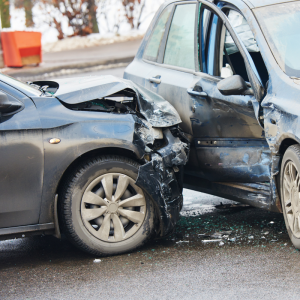 In general, there is no limit to how much you can sue someone for a car accident. However, there are factors that may limit how much compensation you will recover in a lawsuit. Things like the severity of the injuries, the extent of the other party’s negligence, and the coverage of insurance policies will all limit what you can recover.
How Much Can a Car Accident Victim Sue For?
Car accident victims can sue for economic and non-economic damages depending on the severity of the wreck. The only way to really maximize the total compensation a victim may be awarded is by utilizing the legal representation of a car accident lawyer.
Potential compensation a car accident victim may be awarded includes:
- Medical expenses
- Lost wages
- Diminished earning capacity
- Property damage
- Pain and suffering
- Loss of consortium
- Wrongful death
The award will also depend on the severity of the crash. […]
Read MoreMore information about Loss of Consortium
Auto Accidents Caused by Defective Roads
Sometimes it is the road that is at fault in an auto accident. Defective road conditions can cause a driver to lose control of his/her car, leading to an auto accident that can result in serious personal injury or death. But when the road is at fault, who is responsible for your injuries?
Roads in Pennsylvania are the responsibility of either the state or local municipalities. Although Pennsylvania’s Sovereign Immunity Act generally bars suits against the Commonwealth and other government entities, dangerous conditions on highways created by potholes, sinkholes or similar conditions are exempt from sovereign immunity.
The Pennsylvania defective road condition car accident attorneys of Munley Law believe that when hazardous road conditions lead to accidents, injury, or death, the responsible government agency and/or a private contractor that worked on the road should be held accountable. The victims of accidents caused by unsafe roads deserve full and fair compensation for their injuries and losses. […]
Read MoreMore information about Loss of Consortium
San Diego Man Awarded $2.4 Million in Asbestos Exposure Lawsuit
A San Diego Navy Veteran who was diagnosed in 2010 with mesothelioma, an asbestos-caused cancer, was awarded $2.4 million in damages after his disease was found to be attributed to his work in ship boiler rooms.
The lawsuit, filed against John Crane, Inc., claimed the plaintiff was exposed to asbestos while serving in the Navy from 1961 to 1971 in his work in the maintenance and repair of boilers, pumps and valves. The suit claimed John Crane made some of the asbestos-containing packing material and gaskets in the equipment.
The total damages of about $2.4 million include nearly $1.4 million in noneconomic damages and $450,000 for loss of consortium. The jury found John Crane five percent liable, the Navy and insulation companies 57 percent at fault, some manufacturers and suppliers 37 percent at fault. The plaintiff himself was found to be one percent at fault. […]
Read More