






The Scranton cerebral palsy lawyers at Munley Law are dedicated to helping families with children who have been impacted by cerebral palsy caused by medical malpractice.
Cerebral palsy isn’t just a medical diagnosis; it deeply impacts the lives of both the individuals living with it and their families. When this condition arises from medical negligence, securing the right legal help is vital to seeking justice through a lawsuit. With over 250 years of combined experience in personal injury and medical malpractice litigation, our attorneys have the skills and legal acumen needed to help you seek justice after this life-changing diagnosis.
Our lawyers have secured numerous settlements for our clients to date, including verdicts totaling $5 million, $4.35 million, and $3.5 million in medical malpractice cases. Call today to schedule a free consultation with our Scranton birth injury attorneys. There is no fee unless we win your case.
 Call Us At 844-686-5397
What is Cerebral Palsy?
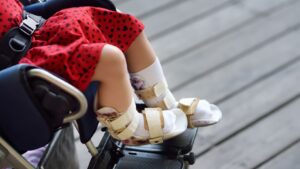 Cerebral palsy is a neurological disorder caused by a brain injury or malformation that occurs during brain development before, during, or after birth. Unlike Erb’s palsy, which is damage to the brachial plexus nerves, cerebral palsy is caused by abnormal brain development or damage to the developing brain, often before birth. This damage can affect a child’s ability to control their muscles. Causes can include genetic disorders, maternal infections, fetal stroke, lack of oxygen to the brain (asphyxia), traumatic head injury, or infections in early childhood.
According to the Birth Injury Justice Center, around 1 in every 345 children in the United States has been diagnosed with the condition. The most recent estimates of its prevalence are up to 3 in every 1,000 children, making it the US’s most common motor disability in children.
While there’s no cure for cerebral palsy, treatments can improve the lives of those who have the condition. Treatment may include physical therapy, occupational therapy, speech therapy, medications to manage symptoms (like muscle spasticity and seizures), and sometimes surgery.
The impact of cerebral palsy varies greatly. Many children go on to live independent, fulfilling lives. The condition does not generally affect life expectancy, although associated complications can.
Types of Cerebral Palsy
Cerebral palsy is classified into several types according to how it affects muscle tone, movement, and coordination. The main types include:
- Spastic cerebral palsy: The most common type, accounting for approximately 80% of cases. It causes increased muscle tone, stiffness, and exaggerated reflexes, which can make movement difficult.
- Dyskinetic cerebral palsy: Also known as athetoid cerebral palsy, this type causes involuntary, uncontrolled movements. These may affect the arms, legs, hands, and facial muscles.
- Ataxic cerebral palsy: This type primarily affects balance and coordination. Children may have difficulty with precise movements, walking steadily, and maintaining their balance.
- Mixed cerebral palsy: Some children experience symptoms associated with more than one type of cerebral palsy, commonly a combination of spastic and dyskinetic symptoms.
The severity of symptoms varies between children, even among those with the same type of cerebral palsy. The condition can affect one or more limbs, and some children experience additional difficulties with speech, communication, or other aspects of development.
Early Signs of Cerebral Palsy
The early signs of cerebral palsy can vary depending on the type and severity of the condition. Some symptoms may become apparent during infancy, while others emerge as a child grows and begins reaching developmental milestones. Common warning signs include:
- Delayed developmental milestones: A child may take longer than expected to hold their head up, roll over, sit, crawl, or walk.
- Unusual muscle tone: Muscles may appear unusually stiff or rigid, or unusually floppy and weak.
- Abnormal movements: A child may experience involuntary movements, tremors, unusual writhing motions, or difficulty controlling their limbs.
- Differences between the sides of the body: A child may consistently favor one hand or leg, reach with only one hand, or move one side of their body differently from the other.
- Feeding and swallowing difficulties: Problems with sucking, chewing, or swallowing, as well as excessive drooling, can sometimes be early indicators.
- Difficulty with balance and coordination: A child may struggle to control their movements, maintain balance, or coordinate their limbs as they develop.
Not every child with cerebral palsy displays the same symptoms, and some signs may not become noticeable until later in infancy or early childhood. A single developmental delay or movement difficulty does not necessarily indicate cerebral palsy, but persistent concerns warrant medical assessment.
Cerebral Palsy Risk Factors
Several factors can increase the likelihood of cerebral palsy. These include inadequate prenatal care and poor maternal health, young maternal age, delivery complications, and low birth weight. Around 36% of cerebral palsy cases are seen in newborn infants weighing 2,500g or less at birth.
After cerebral palsy has been diagnosed, recent research also highlights a four-times higher risk of CP-affected infants developing co-occurring developmental and neurobiological conditions.
When is Cerebral Palsy Caused by Medical Malpractice?
Although cerebral palsy can develop for many reasons, some cases are associated with preventable medical errors during pregnancy, labor, delivery, or shortly after birth. Healthcare professionals must monitor the health of the mother and baby, recognize complications, and provide appropriate treatment to prevent brain injuries. Medical negligence may occur when they fail to meet the accepted standard of care, resulting in brain damage that causes cerebral palsy. Examples include:
Failure to Respond to Fetal Distress
Fetal distress occurs when a baby shows signs of physiological stress, potentially indicating that they are not receiving enough oxygen. Medical professionals should monitor the baby’s heart rate during labor and respond appropriately to abnormal readings. Failure to recognize warning signs or take timely action can result in oxygen deprivation and brain damage.
Delayed C-Section
When complications make vaginal delivery unsafe, an emergency Cesarean section may be necessary to protect the baby. Delaying or failing to perform a medically necessary C-section can prolong oxygen deprivation, potentially causing hypoxic-ischemic encephalopathy (HIE) and permanent brain damage that leads to cerebral palsy.
Oxygen Deprivation and HIE
Birth asphyxia occurs when a baby does not receive enough oxygen during labor, delivery, or shortly after birth. Prolonged oxygen deprivation can cause hypoxic-ischemic encephalopathy (HIE), a type of brain injury involving reduced oxygen and blood flow to the brain. Medical errors such as inadequate fetal monitoring, delayed intervention, or failure to provide appropriate newborn resuscitation can contribute to this injury and, in some cases, result in cerebral palsy.
Forceps or Vacuum Injuries
Forceps and vacuum extractors can assist with difficult deliveries when used appropriately. However, excessive force, improper application, or inappropriate use of these instruments can cause physical trauma to a baby’s head and brain. Such injuries can result in permanent neurological damage, including cerebral palsy.
Untreated Infection or Jaundice
Infections during pregnancy or shortly after birth can cause inflammation and damage to a developing baby’s brain. Failure to diagnose or treat maternal or neonatal infections promptly can increase the risk of serious complications. Similarly, untreated newborn jaundice can cause bilirubin to accumulate in the brain, resulting in a condition called kernicterus. This can cause permanent brain damage and cerebral palsy.
How Do Attorneys Find Out What Caused Your Child’s Cerebral Palsy?
Determining what caused cerebral palsy in a child can be complex and requires a thorough medical evaluation. Here are some steps your attorneys will need to take to decide whether you have a medical malpractice case in Scranton:
- Medical History Review: We will use medical experts to examine your child’s medical history, including prenatal care, labor and delivery records, and any complications during pregnancy or birth. This can provide clues about potential risk factors or events that could have led to a birth injury.
- Consult a Pediatric Neurologist: A pediatric neurologist or a medical specialist in developmental disorders can assess your child’s condition. They can help determine if the cerebral palsy is likely due to a birth injury or other factors.
- Neuroimaging Tests: Any tests that your child has had, like an MRI or a CT scan, can provide detailed images of the brain and help identify any damage or abnormalities that might be linked to a birth injury.
- Look for Timing of Symptoms: It can be an essential indicator of when symptoms first appear. If symptoms of cerebral palsy appear very early in life, such as soon after the baby is born, this might suggest a birth-related cause.
- Consider Other Risk Factors: Cerebral palsy can also result from factors unrelated to birth injuries, such as genetic disorders, infections, or random mutations. It’s also essential to consider these possibilities when determining if you have a personal injury case.
- Second Opinion: A second opinion from another medical professional can provide additional insights and either confirm or challenge the initial assessment.
- Ongoing Monitoring and Assessment: Since cerebral palsy can evolve, continuous monitoring and assessment are essential to understand the full extent and nature of the condition.
Remember, each case of cerebral palsy is unique, and determining the cause can be challenging. Working closely with a Scranton cerebral palsy lawyer to understand your child’s situation is essential.
How Do You Prove Medical Malpractice Caused Cerebral Palsy?
To prove that medical malpractice caused cerebral palsy, your legal team must establish that a healthcare provider failed to meet the accepted standard of care and that this failure caused or contributed to your child’s brain injury. Medical experts will review your child’s prenatal, labor, delivery, and postnatal records to identify evidence of negligence.
They may also examine neuroimaging tests, such as MRIs or CT scans, to identify brain damage and assess when the injury occurred. Specialists can evaluate your child’s symptoms and medical history, consider other possible causes, such as genetic conditions or infections, and determine whether the evidence supports a connection between the provider’s actions and the cerebral palsy diagnosis.
Pennsylvania Medical Malpractice Claims Require a Certificate of Merit
Under Pennsylvania Rule of Civil Procedure 1042.3, plaintiffs pursuing medical malpractice claims must file a Certificate of Merit. This certificate confirms that an appropriately licensed medical professional has reviewed the case and concluded that there is a reasonable probability that the care, skill, or knowledge exercised or exhibited by the healthcare provider fell outside acceptable professional standards and that this conduct was a cause of the injury.
In a cerebral palsy case, this typically involves qualified medical experts reviewing prenatal records, labor and delivery records, fetal monitoring strips, imaging studies, and other medical evidence. Because these cases often involve complex questions about when a brain injury occurred and whether it could have been prevented, expert medical review is an important part of establishing the basis for a claim.
What Compensation Can Families Recover in a Cerebral Palsy Case?
If medical negligence caused your child’s cerebral palsy, you may be able to recover compensation for their current and future care needs. A life care plan, prepared with input from medical specialists and other experts, can help estimate the cost of the treatment, services, and support your child may require throughout their lifetime.
This may include ongoing physical, occupational, and speech therapy; specialist medical care; adaptive equipment such as wheelchairs, communication devices, and mobility aids; and home modifications such as ramps, lifts, and accessible bathrooms.
Compensation may also account for your child’s diminished future earning capacity if their condition affects their ability to work as an adult. The amount recoverable depends on the severity of the injury, the child’s anticipated needs, and the evidence supporting the claim.
How Long Do You Have to File a Cerebral Palsy Lawsuit in Pennsylvania?
Pennsylvania medical malpractice claims involving birth injuries are subject to specific filing deadlines. Under Pennsylvania’s Medical Care Availability and Reduction of Error (MCARE) Act (40 P.S. § 1303.513), a minor generally has until their 20th birthday to bring a medical malpractice claim arising from injuries sustained at birth.
Cerebral palsy is not always diagnosed immediately after birth. Some children develop noticeable symptoms as they grow, particularly when they experience delays in reaching developmental milestones or difficulties with movement and coordination. In these cases, parents may not become aware of the condition or its possible connection to a birth injury until months or years later. However, a delayed diagnosis does not automatically mean that the legal filing deadline begins on the date cerebral palsy is identified.
Although the law provides additional time for injured children, families should not wait to investigate a potential claim. Medical records can become more difficult to obtain, witnesses’ memories may fade, and expert review often requires substantial time. Speaking with a cerebral palsy lawyer as soon as concerns arise can help preserve evidence and allow medical experts to evaluate whether negligence contributed to the child’s condition.

“Honoring those who came before us, Munley Law proudly continues our family tradition of innovation, caring, and integrity. Three generations of Munleys have built this firm on one belief: that injured people deserve the same fierce advocacy that the powerful receive as a matter of course. That belief still drives everything we do.”
Caroline Munley

Why Do You Need a Cerebral Palsy Attorney in Scranton, PA?
In cerebral palsy lawsuits, medical experts play a pivotal role. Their job is to shed light on the specifics – when and how the brain injury occurred – and to draw a clear line connecting the dots between medical missteps and the child’s development of cerebral palsy.
A cerebral palsy attorney will gather and review your child’s prenatal, labor, delivery, and postnatal medical records to identify potential errors in care. We will work with qualified medical experts to establish when and how the brain injury occurred and determine whether medical negligence contributed to the diagnosis. Your legal team may also consult life care planners to assess your child’s current and future care requirements, including ongoing treatment, therapy, specialist equipment, and other long-term support needs. These assessments help establish the evidence needed to pursue compensation for your child’s injuries and future expenses.
To determine if medical negligence caused cerebral palsy in your child, you will need a team of Scranton medical malpractice lawyers who have the resources available to help find the proof required to show medical malpractice played a part in your child’s injury.
What Do You Need to Bring to the Initial Consultation?
As you gear up for your first meeting with a potential cerebral palsy attorney, compile all pertinent medical documents and any evidence you believe might bolster your case.
For the initial consultation, compile a list of questions regarding their experience with cerebral palsy cases, how they manage cases, and their fee structure. This first meeting is not just about the lawyer evaluating your case; it’s also an opportunity for you to determine if this attorney is someone you feel comfortable and confident working with.
How Do You Choose a Cerebral Palsy Lawyer in Scranton?
When choosing a cerebral palsy lawyer, consider their experience handling birth injury medical malpractice cases. Pay particular attention to cases involving cerebral palsy, and whether the lawyers you’re considering have experience taking these cases to trial.
You should also ask whether they have access to qualified medical experts, including neonatologists and neurologists. Specialists like these can review your child’s records, assess the timing and cause of the brain injury, and provide expert testimony if necessary.
As cerebral palsy lawsuits can involve substantial investigation and expert witness expenses, find out whether the firm has the financial resources to advance case costs and whether you could be responsible for those expenses if the claim is unsuccessful.
Finally, review the fee agreement carefully, including the contingency fee percentage, how litigation expenses are deducted from any recovery, and what happens if the case does not result in compensation.
Why Should You Hire a Scranton Cerebral Palsy Lawyer at Munley Law?
At Munley Law, our team keenly understands the hurdles that may be involved with cerebral palsy claims. With a wealth of experience in the intricacies of medical lawsuits and the resources needed to handle these cases, we concentrate on defending your rights through a tailored strategy.
We commit to dedicating the required focus and care to your case to secure compensation for your child’s ongoing care needs.
We have won millions in settlements for our clients, and our lawyers are consistently recognized by the American Board of Trial Advocates, the Summit Council, the Pennsylvania Bar Association, and the American Association for Justice, among other prestigious organizations.
Our firm has been annually recognized as a Best Law Firm, and Marion Munley has been recognized as Best Lawyers’ Lawyer of the Year for Medical Malpractice Law.
All five of our partners hold AV Preeminent Ratings from Martindale-Hubbell and have been featured as some of the National Trial Lawyers Association’s Top 100 Trial Lawyers in Pennsylvania, and Caroline Munley is also one of the NTLA’s Top 25 Medical Malpractice Trial Lawyers in Pennsylvania and Top 25 Women Trial Lawyers in the state.
Frequently Asked Questions About Cerebral Palsy in Scranton, PA
How Many Children Are Diagnosed with Cerebral Palsy in the US Each Year?
An estimated 8,000 to 12,000 children are diagnosed with congenital cerebral palsy in the US each year. While cerebral palsy can result from preventable medical errors, many cases are linked to factors that occur before labor or are unrelated to negligence. Research suggests that only a minority of cerebral palsy cases are associated with potentially preventable medical events. Each case requires an individualized review of the medical records and expert evaluation to determine whether malpractice played a role.
How Many People Are Living with Cerebral Palsy in the US?
National estimates suggest that around 1 million people in the United States live with cerebral palsy.
What Types of Complications Do Children With Cerebral Palsy Face?
Children with cerebral palsy can face complications like muscle stiffness, involuntary movements, and significant challenges with coordination and balance. These children may also suffer from speech and motor development delays, intellectual disabilities, neurodevelopmental conditions like ADHD and autism, and epileptic seizures.
Will My Child’s Cerebral Palsy Case Go to Trial?
Your child’s cerebral palsy case won’t necessarily go to trial. Many cerebral palsy lawsuits are resolved through settlement before reaching trial, although some proceed to court if the parties cannot agree on compensation or liability. Whether a case goes to trial depends on the evidence, the willingness of the parties to settle, and the circumstances of the claim.
How Long Does a Cerebral Palsy Lawsuit Take?
A cerebral palsy lawsuit may take several years to resolve because these cases often involve extensive medical-record reviews, expert assessments, and detailed calculations of a child’s future care needs. The timeline also depends on the court schedule, the complexity of the evidence, and whether the case settles or proceeds to trial. Some claims resolve sooner through settlement.
Is Cerebral Palsy a Birth Injury or a Birth Defect?
Cerebral palsy is generally described as a neurological disorder or condition, rather than a birth defect. It can result from abnormal brain development or damage to the developing brain before, during, or shortly after birth, and may therefore be classified as a birth injury when it is linked to an injury around the time of birth. However, not all cases are caused by birth-related events or medical negligence; some are associated with genetic factors or other causes.
How Much Does a Cerebral Palsy Lawyer Cost?
Many cerebral palsy lawyers work on a contingency fee basis, meaning they do not charge upfront legal fees and receive payment only if compensation is recovered. The lawyer’s fee is generally calculated as an agreed percentage of the settlement or award. The fee agreement should explain the percentage charged and how case expenses, such as expert witness fees and court costs, are handled.
Contact a Cerebral Palsy Lawyer at Munley Law Today
If you’re navigating a cerebral palsy claim and seeking legal assistance, we invite you to schedule a free consultation.
Let Munley Law support you in this critical step in seeking justice and compensation for your family’s suffering.
Munley Law
227 Penn Ave.
Scranton, PA 18503
(570) 865-4699
Get Directions
Caroline Munley
Caroline Munley is an experienced and award-winning personal injury lawyer and is a board-certified workers’ compensation specialist. Since 2018, she’s been listed in Best Lawyers in America (Personal Injury Plaintiffs; Workers’ Compensation Claimants, Northeastern PA), Lawdragon, and has been a Pennsylvania Super Lawyer since 2022. A member of the International Society of Barristers, Caroline has won millions of dollars for car accident, commercial truck crash, and workplace injury victims.
Reviewed by Bernadine Munley, Esq., Personal Injury Attorney at Munley Law, on November 18, 2026.